
Many homeowners face the daunting challenge of dealing with a flooded house, and understanding the drying timeline is important for your recovery. The speed at which your home dries can significantly impact structural integrity and mold growth, which can pose health risks to you and your family. In this article, you will learn about the factors affecting drying times, effective drying methods, and your role in the process to ensure your home is safely and thoroughly dried, minimizing potential damage and expenses.
Key Points:
- Drying Time Varies: The time it takes to dry out a flooded house can range from a few days to several weeks, depending on the extent of the flooding, building materials, and humidity levels.
- Critical Factors: Factors such as temperature, airflow, and the use of industrial drying equipment can significantly impact the speed of the drying process.
- Importance of Professional Help: Engaging with water damage restoration experts can expedite the drying process and ensure thorough remediation to prevent mold growth.
The Impact of Flooding on a Home
Flooding of any kind can present significant challenges for homeowners. Understanding the various impacts of water intrusion on your dwelling is essential, as it can lead to issues ranging from cosmetic damage to serious structural concerns. Flood events can compromise the integrity of your property and belongings, affecting everything from walls and flooring to electrical systems and appliances. Using a reliable water damage cleaner can be a crucial step in addressing these impacts swiftly, helping to preserve both the value and safety of your home.
Types of Flood Damage
Flood damage typically falls into several categories, each helping you identify the specific issues your home may be facing. Here’s a breakdown of common types of flood damage:
| Category | Details |
| 1. Structural Damage | Includes compromised foundations, walls, and roofing. |
| 2. Electrical System Damage | Can lead to short-circuits and failures of appliances. |
| 3. Mold Growth | Occurs quickly in damp areas, posing health risks. |
| 4. Loss of Personal Belongings | Household items may be irreparably damaged. |
| 5. HVAC Damage | Flood water can affect heating and cooling systems. |
Any delay in addressing these issues can lead to increased damage and higher repair costs, making it imperative to secure your home promptly after a flood.
Importance of Timely Action
Around the clock, time is of the essence when dealing with flood damage. The sooner you act to address the problems within your home, the better your chances of minimizing serious damage. Water can seep into materials and structures, causing deterioration and promoting mold growth within 24 to 48 hours. By taking swift action, you can halt this progression and make recovery efforts more effective.
Homeowners should prioritize quick measures, including hiring professionals for water extraction and assessing damage thoroughly. Taking prompt action is not only about restoring your property’s function but also about ensuring your family’s safety. By being proactive, you can prevent your home from turning into an unsafe environment filled with hazardous mold spores and unstable structures. Ultimately, timeliness can spell the difference between a successful recovery and extensive, costly repairs.

The Drying Process
One of the key aspects to understand during the drying process of a flooded house is the numerous factors influencing drying time. Various elements may come into play, significantly affecting how long it will take for your home to dry completely. Some of these factors include:
- Temperature: Warmer temperatures tend to accelerate evaporation.
- Humidity Levels: High humidity can prolong drying times.
- Airflow: Adequate ventilation promotes faster drying.
- Materials: Different materials absorb water at different rates.
- The Source of Flooding: Clean water vs. contaminated water can change the approach needed.
Knowing how these factors interact will help you assess the expected dry-out time for your specific circumstances and allow you to take appropriate actions for optimal drying.
Equipment Used for Drying
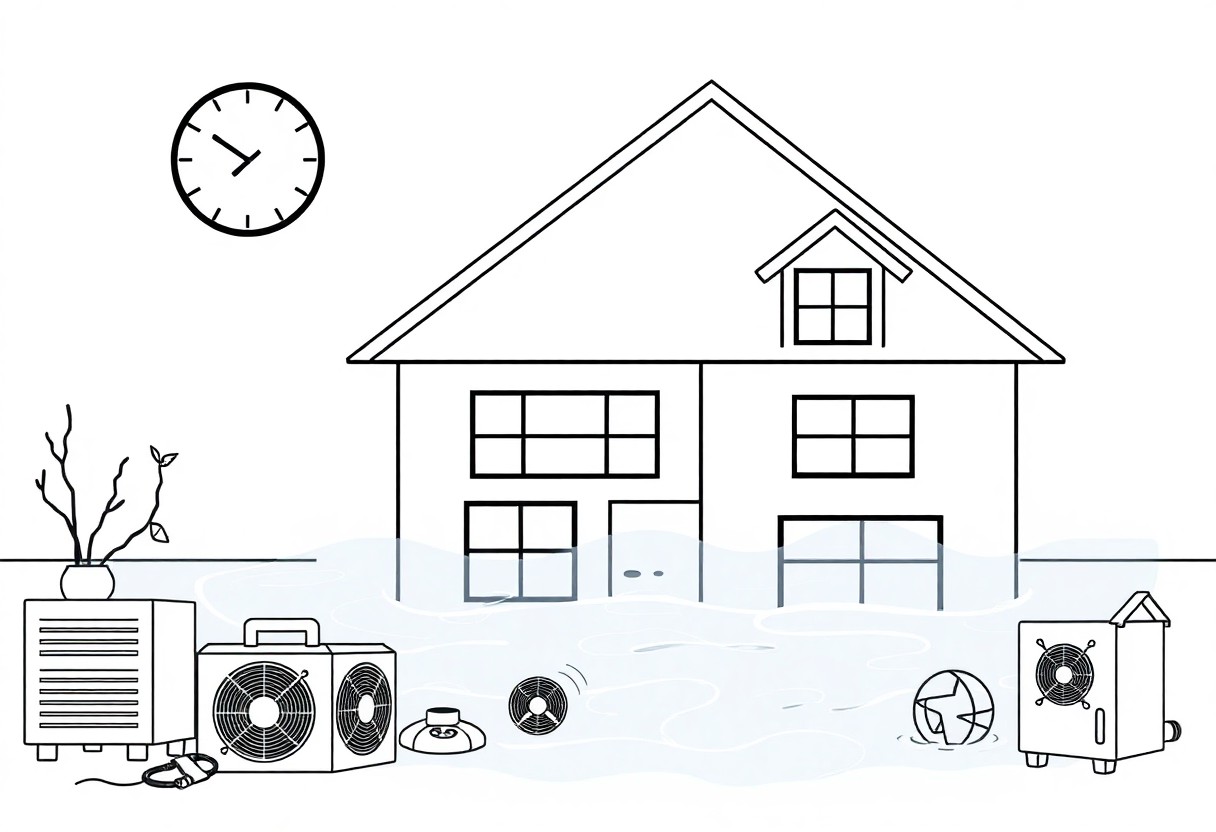
An effective drying process employs several different types of specialized equipment used for drying that can enhance and expedite the evaporation of moisture from your home. You will likely encounter devices such as dehumidifiers, which help to remove excess moisture from the air, and air movers, which increase airflow across surfaces to facilitate drying. Other equipment like water extraction pumps can remove standing water quickly, preventing further damage and mold growth.
Considering the equipment you use is important for a successful drying process. The right choice will not only minimize your drying time but can also prevent additional issues like mold growth and damage to structures. By engaging professionals who utilize state-of-the-art technology, you can ensure that your home is dried efficiently and comprehensively, giving you peace of mind during a challenging time.
Estimated Timeframes for Drying
After experiencing flooding in your home, understanding how long it will take to dry out can help you better prepare for the recovery process. Various factors influence the overall drying time, including the severity of the flooding, the materials affected, and the methods used to mitigate the damage. Typically, minor flooding scenarios can see your space dried out in a matter of days, while more severe incidents may extend the timeline significantly, making it necessary to act promptly and effectively.
Minor Flooding Scenarios
Before entering into the drying process, it’s important to assess the situation. If you’re dealing with minor flooding, perhaps from a burst pipe or localized water ingress, the drying time generally ranges from 24 to 48 hours. Using fans, dehumidifiers, and maintaining good ventilation can dramatically speed up the drying process. Focus on areas with wet carpets, furniture, and wall materials, as these will absorb moisture and prolong potential issues.
Severe Flooding Scenarios
An entirely different challenge emerges in the face of severe flooding, where water overwhelms your property due to heavy rainfall, storm surges, or other natural events. In such cases, the drying process may extend from several days to weeks, depending on how entrenched the water is. You may need to engage professional water damage restoration services, as they possess the necessary equipment to tackle high moisture levels effectively.
At this stage, addressing not just the visible water but also any potential for mold growth is imperative. The risk of structural damage also increases, necessitating inspections to determine the integrity of your home. Properly monitoring moisture levels and ensuring that all affected areas are treated will help you avoid complications later on, allowing you to restore your space to its former glory.
Signs of Proper Drying
Despite the initial chaos following a flood, recognizing the signs of proper drying can give you peace of mind. You should look for certain indicators that suggest your home is recovering adequately. One of the most noticeable signs is the reduction of humidity levels in your home. A humidity reading between 30-50% is ideal, indicating that the air is dry enough to prevent mold growth. Additionally, if you notice that surfaces, like walls and floors, are no longer damp to the touch, it’s a good sign that the drying process is effective. Drying equipment should be removed, and the presence of a musty odor can also be a warning that moisture still lingers in hidden areas of your home.
Indicators of Remaining Moisture
The presence of moisture in your home can easily be detected by some simple yet effective methods. Check for stains or discoloration on walls and ceilings, as these can be signs of lingering moisture problems. You should also inspect for peeling paint or wallpaper, as these are strong indicators that the underlying structure has not fully dried. Furthermore, you might want to use a moisture meter to check specific areas that seem suspect, which can provide you with a more precise measurement of moisture levels in various materials.
Importance of Professional Assessment
Across the board, enlisting professional help for moisture assessments becomes vital in the aftermath of flooding. They utilize advanced tools and strategies that can detect moisture in walls and flooring that you may not recognize. Without a thorough assessment, you’re at risk of overlooking critical issues that can lead to significant problems later on. This is particularly important in older homes or places where wood structures are prevalent, as trapped moisture can initiate decay or promote mold growth over time.
Another key factor to consider is that professionals can provide you with tailored solutions based on the extent of the damage and drying. They understand the complex dynamics of moisture control and can recommend any necessary repairs or treatments. Their expertise can save you from potential health risks associated with mold and structural damage that might arise from an inadequately dried home. Engaging with specialists not only gives you insight into your home’s condition but also fosters a healthier living environment for you and your family.
Preventing Future Flood Damage
Now that you have a clear understanding of the timeline for drying out a flooded house, it’s imperative to consider how to mitigate the risk of future flooding. Flooding can cause significant financial burdens and emotional distress, so taking proactive steps is key to safeguarding your home. There are various strategies you can implement to make your property less susceptible to water damage and ensure you’re better prepared should the unexpected happen.
Modifications to Reduce Risk
Among the most effective ways to minimize the chances of future flooding is by making structural modifications to your property. You might want to consider elevating your home, particularly if you live in a flood-prone area. This can often involve raising the foundation, which will help protect your living space from rising water. Additionally, installing flood barriers and using sump pumps can prevent water from infiltrating your home during heavy rains.
Maintenance Tips
Below are some imperative maintenance tips that will help keep your home safe from flooding. Regular inspections of your property’s drainage systems can prevent blockages and overwhelming water flow. Make sure to maintain gutters and downspouts, ensuring they direct water away from your foundation. Regularly checking and maintaining your roof will also prevent leaks that can exacerbate flooding issues. Importantly, consider landscaping with native plants that absorb water, and utilize permeable paving in your driveway.
- Inspect your drainage systems.
- Maintain gutters and downspouts.
- Check your roof for any leaks.
- Utilize landscaping techniques that prevent run-off.
But maintaining your home isn’t just about these simple checks; it’s imperative to develop a habit of assessing your property after significant weather events. Make sure to inspect the interior for leaks or water stains and check your basement for any signs of moisture. Keeping an eye on your property year-round can significantly decrease the likelihood of extensive flooding. This approach can save you considerable time and money in addressing potential issues before they escalate.
- Assess your property after weather events.
- Inspect for leaks or water stains.
- Check your basement for moisture.
- Develop an inspection habit year-round.
Frequently Asked Questions
To help you navigate through the daunting aftermath of a flooded home, you may have several questions regarding the drying process and restoration timeline. It’s common to wonder how long it will take to get your property back to its former state. While the duration can vary based on factors such as the severity of the flood, the type of materials affected, and the effectiveness of your drying methods, you can find some insightful answers on platforms like Can you provide an estimate of the time it takes to …. This information can help set your expectations and aid in planning the necessary steps to restore your home.
To further clarify your concerns, many homeowners worry about the potential risks of mold growth and structural damage during the drying process. Typically, the first 24–48 hours are critical in preventing these issues. If moisture is not addressed promptly, you could face complications that may prolong the restoration timeline. It’s vital to act quickly and engage professional help when needed to mitigate these problems effectively.
Common Concerns
To alleviate your anxiety about flood damage, it’s important to take proactive measures. One common concern after a flood is whether your belongings can be salvaged. While some items may be damaged beyond repair, others may be recoverable with professional cleaning and restoration. You should document the damage and consult with restoration experts who can advise on what can and cannot be saved.
Expert Recommendations
On the subject of ensuring a swift drying process, experts recommend that you start removing standing water as soon as possible. Using pumps and wet vacuums can expedite the process. Additionally, ensure that your property is well-ventilated; opening windows and using fans can significantly aid evaporation. However, be cautious of the implications damp conditions may have on your indoor air quality.
Plus, always consider the safety of you and your family when dealing with a flooded home. Ensuring you wear appropriate protective gear when entering the affected area is crucial. Additionally, if you smell mold or notice hazardous materials, it’s best to call in professionals to handle the situation. Their expertise will not only enhance the safety of your environment but also strengthen your peace of mind as your home undergoes restoration.
Final Words
Now that you have a clearer understanding of the timeline involved in drying out a flooded house, you can better prepare yourself for the process ahead. Depending on factors such as the severity of the flooding, the materials involved, and the measures you take, the drying time can vary significantly. Typically, it can take anywhere from a few days up to several weeks for your home to be fully dried out. Utilizing fans, dehumidifiers, and ensuring proper ventilation can significantly expedite this process, reducing the risk of further damage or mold growth in your living space.
By being proactive and engaging professional help when necessary, you can minimize the negative impact that flooding can have on your home. Understanding the specific timeline allows you to set realistic expectations, plan your restoration efforts, and safeguard your property effectively. Stay informed, take the right steps, and your efforts will ensure your home is back to its original condition sooner rather than later.
FAQ
Q: How long does it typically take for a flooded house to dry out completely?
A: The drying process for a flooded house can vary significantly based on several factors, including the extent of the flooding, the type of materials affected, and environmental conditions. Generally, it may take anywhere from a few days to several weeks. For example, if only a small area was affected and the weather is warm, drying might occur quickly, potentially within 3-7 days. However, if large areas of the house are flooded, or if moisture is trapped in structural materials, the drying process can extend to 2-4 weeks or more. It’s important to assess the situation thoroughly and sometimes a professional evaluation may be needed.
Q: What factors influence the drying time after a flood?
A: Several factors play a significant role in determining how long it takes to dry out a flooded house. These include the volume of water involved, the duration of the flooding, the humidity levels in the environment, and the type of building materials present. For instance, porous materials like drywall and carpeting retain moisture longer than non-porous surfaces such as tile or concrete. Additionally, the use of adequate drying equipment, such as industrial fans and dehumidifiers, can expedite the process. Weather conditions, such as temperature and humidity, also affect drying rates; warmer temperatures typically promote faster evaporation.
Q: Is it necessary to hire professionals to dry out a flooded house?
A: While some minor flooding scenarios might be manageable without professional help, it’s often advisable to hire experts, especially for significant water damage. Professionals have specialized equipment and expertise that can effectively dry materials and prevent further complications such as mold growth. They can conduct thorough assessments and implement targeted drying strategies that may not be apparent to a homeowner. For extensive damage or if you are uncertain about the proper steps to take, seeking professional assistance is a sensible approach to ensure the property is dried out properly and safely.