In the heart of Macalester-Groveland, St. Paul, Water Damage Pro recently undertook a significant water damage repair project at a multi-family property. This comprehensive restoration effort was necessitated by an unexpected water damage incident that impacted numerous residents. Our team swiftly responded to mitigate the damage, ensuring the safety and comfort of the affected families while restoring the property to its former condition.
Key Takeaways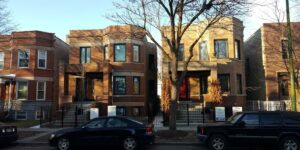
- Water Damage Pro executed a swift and effective response to a major water damage incident in Macalester-Groveland, St. Paul.
- Advanced techniques in water extraction and drying were employed to prevent further damage and mold growth.
- Structural repairs were meticulously carried out, including the restoration of walls, floors, electrical, and plumbing systems.
- Challenges such as mold remediation, hidden water damage, and tenant displacement were effectively managed.
- Preventative measures and regular maintenance plans were recommended to the property owners to avoid future incidents.
Overview of Water Damage Incident in Macalester-Groveland, St. Paul
Initial Assessment and Damage Extent
The water damage incident in Macalester-Groveland, St. Paul, was first identified through a comprehensive initial assessment. The extent of the damage was significant, affecting multiple units within the multi-family property. The assessment revealed water infiltration in walls, floors, and ceilings, necessitating immediate action to prevent further deterioration.
Immediate Response and Containment
Upon identifying the extent of the damage, an immediate response was initiated. The primary goal was to contain the water spread and mitigate further damage. This involved shutting off the main water supply, deploying water extraction units, and setting up barriers to prevent water from seeping into unaffected areas. Quick containment measures are crucial in minimizing long-term damage and associated repair costs.
Coordination with Local Authorities
Effective coordination with local authorities was essential in managing the water damage incident. This included notifying the local water department, fire department, and other relevant agencies to ensure a comprehensive response. Collaboration with these entities facilitated efficient resource allocation and adherence to safety protocols, ensuring the well-being of all residents and workers involved in the restoration process.
The swift and coordinated response to the water damage incident in Macalester-Groveland underscores the importance of preparedness and effective communication among all stakeholders involved.
Detailed Water Extraction and Drying Process
Advanced Water Removal Techniques
The initial step in addressing water damage involves the use of advanced water removal techniques. Our team employs state-of-the-art equipment to efficiently extract water from the affected areas. This includes the use of powerful pumps and vacuums designed to handle large volumes of water quickly. The goal is to remove as much water as possible to prevent further damage and facilitate the drying process.
Drying and Dehumidification Strategies
Once the water is removed, the next critical phase is drying and dehumidification. This process involves the use of specialized equipment such as DrizAir 1200 dehumidifiers, which are essential for removing moisture from the air and affected materials. The drying process is meticulously monitored to ensure that all areas are thoroughly dried, preventing the growth of mold and mildew.
Monitoring and Documentation
Throughout the water extraction and drying process, continuous monitoring and documentation are crucial. Our team uses advanced sensors and meters to track moisture levels in real-time. Detailed records are kept to document the progress and effectiveness of the drying efforts. This not only ensures a thorough job but also provides valuable data for insurance claims and future reference.
Effective water extraction and drying are pivotal in mitigating water damage and restoring the property to its original condition. The use of advanced equipment and techniques ensures a swift and efficient recovery process.
Structural Repairs and Restoration Efforts
Repairing Damaged Walls and Floors
Repairing damaged walls and floors is a critical step in the restoration service. Specialists use advanced methods to ensure that the structural integrity of the building is restored. This involves removing compromised materials, treating affected areas, and installing new, durable materials.
Restoring Electrical and Plumbing Systems
Restoring electrical and plumbing systems is essential to make the property habitable again. Technicians assess the extent of the damage and replace or repair wiring, outlets, pipes, and fixtures. This step ensures that all systems are safe and functional.
Ensuring Structural Integrity
Ensuring structural integrity is paramount in any water mitigation project. Engineers and construction experts evaluate the building’s framework to identify any weaknesses. Reinforcements are added where necessary to prevent future issues and to comply with local building codes.
The success of a water mitigation project at a multi-family unit near West St. Paul, MN 55118, often hinges on the thoroughness of structural damage mitigation services.
Key Steps in Structural Repairs
- Initial Assessment
- Removal of Damaged Materials
- Treatment of Affected Areas
- Installation of New Materials
- Final Inspection and Approval
Challenges Faced During the Restoration
Dealing with Mold and Mildew
One of the primary challenges in water damage restoration is the proliferation of mold and mildew. These fungi can begin to grow within 24 to 48 hours after water exposure, posing serious health risks and complicating the restoration process. Effective mold remediation requires specialized equipment and techniques to ensure complete removal and prevent recurrence.
Addressing Hidden Water Damage
Hidden water damage, such as moisture trapped behind walls or under floors, can be particularly insidious. It often goes unnoticed until it causes significant structural issues or mold growth. Advanced moisture detection tools, like thermal imaging cameras and moisture meters, are essential for identifying and addressing these concealed problems.
Managing Tenant Displacement
Restoring a multi-family property inevitably involves managing tenant displacement. Coordinating temporary housing, ensuring clear communication, and minimizing disruption are critical components of this process. Property managers must balance the urgency of repairs with the needs and concerns of displaced tenants.
The restoration process is not just about repairing physical damage; it also involves addressing the emotional and logistical challenges faced by the affected community.
| Challenge | Description |
|---|---|
| Mold and Mildew | Rapid growth post-water exposure, health risks, requires specialized remediation |
| Hidden Water Damage | Moisture behind walls/floors, needs advanced detection tools |
| Tenant Displacement | Coordinating temporary housing, clear communication, minimizing disruption |
Preventative Measures and Future Recommendations
To mitigate future water damage, it is essential to develop comprehensive water damage prevention plans. These plans should include regular inspections, prompt repairs of leaks, and the installation of proper drainage systems. Investing in flood-resistant measures can significantly reduce the risk of water damage.
Regular maintenance and inspections are crucial in identifying potential issues before they escalate. Property owners should schedule routine checks for plumbing, roofing, and drainage systems. A maintenance checklist can be helpful:
- Inspect plumbing for leaks and corrosion
- Check roofing for damaged or missing shingles
- Ensure gutters and downspouts are clear of debris
- Test sump pumps and other water removal systems
Raising community awareness and providing education on water damage repair in Saint Paul can foster a proactive approach. Workshops, informational brochures, and community meetings can be effective in disseminating knowledge. Community involvement is key to ensuring long-term resilience against water damage.
By implementing these preventative measures, the Macalester-Groveland community can better protect their properties and enhance their resilience against future water damage incidents.
Impact on the Macalester-Groveland Community
Community Response and Support
The Macalester-Groveland community demonstrated remarkable resilience and solidarity in the face of the water damage incident. Neighbors came together to provide immediate assistance, showcasing the importance of swift response in such emergencies. Local organizations and volunteers played a crucial role in supporting affected families, ensuring that basic needs were met during the initial recovery phase.
Economic Implications
The economic impact of the water damage was significant, affecting both property values and local businesses. Homeowners faced substantial repair costs, while some businesses experienced temporary closures. The financial strain was mitigated to some extent by insurance claims and community fundraising efforts. Below is a summary of the economic implications:
| Aspect | Impact |
|---|---|
| Property Values | Temporary decline due to damage |
| Repair Costs | High, often covered by insurance |
| Business Disruptions | Temporary closures, loss of revenue |
| Community Fundraising | Helped alleviate financial burdens |
Long-term Recovery and Resilience
Long-term recovery efforts focused on rebuilding and enhancing the community’s resilience to future incidents. This included not only repairing the physical damage but also implementing preventative measures to reduce the risk of future water damage. The community’s commitment to resilience was evident in the collaborative efforts to improve infrastructure and emergency response plans.
The Macalester-Groveland community’s response to the water damage incident highlights the strength and unity of its residents. Their collective efforts have not only facilitated recovery but also laid the groundwork for a more resilient future.
Role of Water Damage Pro in the Restoration
Expertise and Experience of the Team
Water Damage Pro brings a wealth of expertise and experience to every water damage project. Our team of professionals is highly trained in all aspects of water damage repair and restoration. With years of experience, we ensure that each water damage cleanup project is handled with the utmost precision and care.
Use of State-of-the-Art Equipment
We utilize state-of-the-art equipment to facilitate efficient water mitigation and restoration. Our advanced tools and techniques allow us to remove water, dry affected areas, and restore properties to their original condition quickly and effectively. This ensures minimal disruption and a smooth recovery process.
Commitment to Quality and Safety
At Water Damage Pro, we prioritize quality and safety in every water damage repair project. Our commitment to excellence is reflected in our meticulous approach to each task, ensuring that all safety protocols are strictly followed. We aim to provide top-notch services that guarantee the best outcomes for our clients.
Our primary goal is to help you with all your water damage restoration needs, ensuring your property is restored to its best condition.
Conclusion
In conclusion, the swift and efficient water damage repair undertaken by Water Damage Pro in the Macalester-Groveland neighborhood of St. Paul exemplifies the company’s commitment to excellence and community well-being. The meticulous approach to restoring the multi-family property not only mitigated immediate damage but also ensured long-term resilience against future incidents. This case study highlights the importance of professional intervention in water damage scenarios and underscores the value of timely, expert services in preserving property and enhancing safety for residents. Water Damage Pro’s dedication to quality and rapid response continues to set a benchmark in the field of water damage restoration.
Frequently Asked Questions
What is the first step in addressing water damage in a multi-family property?
The first step is to conduct an initial assessment to determine the extent of the damage and identify any immediate hazards.
How quickly should water extraction begin after a water damage incident?
Water extraction should begin as soon as possible, ideally within the first 24-48 hours, to minimize further damage and prevent mold growth.
What techniques are used for water removal and drying?
Advanced water removal techniques include the use of industrial-grade wet/dry vacuums, submersible pumps, and high-powered dehumidifiers to thoroughly dry the affected areas.
How is mold growth prevented during the restoration process?
Mold growth is prevented by quickly removing standing water, thoroughly drying all affected areas, and using antimicrobial treatments to sanitize surfaces.
What challenges can arise during water damage restoration in multi-family properties?
Challenges include dealing with mold and mildew, addressing hidden water damage, and managing tenant displacement during the restoration process.
How can future water damage be prevented in multi-family properties?
Implementing water damage prevention plans, conducting regular maintenance and inspections, and educating the community about water damage risks can help prevent future incidents.