In the historic neighborhood of Summit Hill in St. Paul, MN, a devastating fire broke out in a residential property. Water Damage Pro, a leading fire damage remediation company, was called upon to restore the property. This article details the fire incident, the remediation process, and the successful restoration of the home.
Key Takeaways
- Water Damage Pro’s rapid response was crucial in minimizing further damage.
- Coordination with local authorities ensured a smooth remediation process.
- Advanced techniques in smoke and soot removal were employed to restore air quality.
- Structural repairs were meticulously carried out to ensure the safety and integrity of the home.
- Community support played a significant role in the successful restoration of the property.
Overview of the Fire Incident in Summit Hill, St. Paul
Initial Fire Outbreak
On February 16, 2015, a fire broke out in a one-story home located in the 1200 block of Summit St. The fire was determined to be accidental and electrical in nature. The Saint Paul Fire Department was called to the scene and found moderate smoke emanating from the roof of the structure.
Emergency Response
Firefighters made entry into the house and quickly located the fire in the basement. Despite the fire being contained to the basement, the entire house sustained extensive smoke and water damage. One resident, who was home at the time, self-evacuated and was later transported to a local hospital with burns. Crews took 40 minutes to bring the fire under control and remained on the scene throughout the night to monitor and extinguish any hot spots.
Extent of Damage
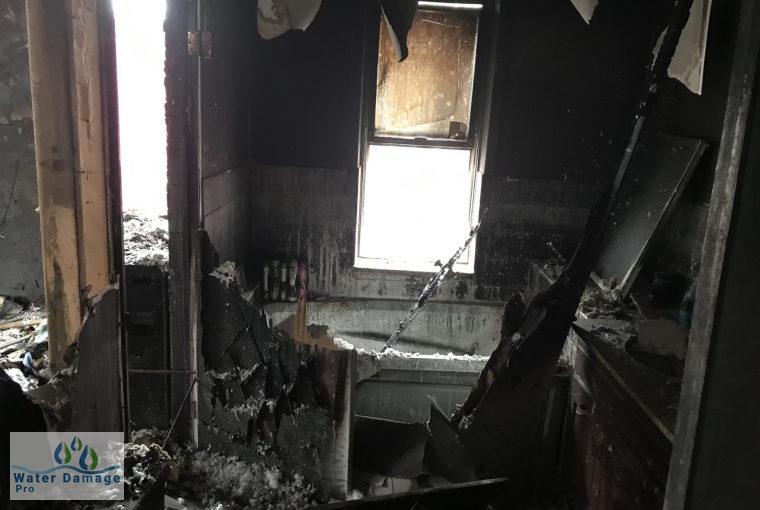
The fire caused significant damage to the property, including extensive smoke and water damage throughout the house. The rapid response by the FWFD prevented the fire from spreading beyond the basement, but the structural integrity of the house was compromised. No further injuries were reported, and the cause of the fire remains under investigation.
Immediate Actions Taken by Water Damage Pro
Rapid Assessment
Upon arrival, Water Damage Pro conducted a rapid assessment of the fire-damaged property. This initial evaluation was crucial for understanding the extent of the damage and formulating an effective remediation plan. The team prioritized areas with the most severe damage to ensure that the water damage cleanup project could commence without delay.
Deployment of Resources
Water Damage Pro swiftly deployed their resources, including specialized equipment and skilled personnel, to the site. The deployment was meticulously planned to address both fire and water damage repair needs. Key resources included:
- High-capacity water extractors
- Industrial-grade dehumidifiers
- Air scrubbers for smoke and soot removal
Coordination with Local Authorities
Coordination with local authorities was essential for the success of the water mitigation efforts. Water Damage Pro worked closely with fire departments and municipal agencies to ensure that all safety protocols were followed. This collaboration facilitated a seamless integration of efforts, allowing the water damage project to proceed efficiently.
The immediate actions taken by Water Damage Pro were instrumental in mitigating further damage and setting the stage for a successful water damage cleanup project.
Detailed Remediation Process
Smoke and Soot Removal
The initial phase of the remediation process involved the removal of smoke and soot. Specialized equipment and techniques were employed to ensure thorough cleaning. This step was crucial to eliminate any lingering odors and prevent further damage to the property. The team used air scrubbers and industrial vacuums to capture airborne particles and clean surfaces.
Structural Repairs
Following the smoke and soot removal, the focus shifted to structural repairs. This included assessing the integrity of the building and making necessary repairs to walls, floors, and ceilings. The remediation team worked closely with structural engineers to ensure that all repairs met safety standards. Reinforcement of weakened structures was a priority to prevent future issues.
Water Damage Mitigation
Water damage mitigation was another critical aspect of the remediation process. The firefighting efforts had left significant water damage, which needed to be addressed promptly to prevent mold growth and further structural damage. The team employed dehumidifiers and water extraction units to dry out the affected areas. Timely water damage mitigation is essential to prevent long-term issues.
The detailed remediation process not only restored the property but also ensured that it was safe for future use. The comprehensive approach taken by the remediation team highlights the importance of addressing all aspects of fire damage, from smoke and soot removal to structural repairs and water damage mitigation.
Challenges Faced During the Remediation
Access Issues
One of the primary challenges encountered during the remediation process was access to the affected areas. The fire had caused structural instability, making it difficult for the remediation team to safely enter and work within the premises. Ensuring the safety of the workers while accessing these areas was paramount.
Weather Conditions
Adverse weather conditions further complicated the remediation efforts. Heavy rains and strong winds not only delayed the progress but also posed additional risks to the already compromised structure. The team had to continuously monitor weather forecasts and adjust their plans accordingly to mitigate any potential hazards.
Safety Concerns
Safety was a significant concern throughout the remediation process. The presence of hazardous materials, such as asbestos and lead, required specialized handling and disposal procedures. The team implemented stringent safety protocols to protect both the workers and the surrounding community.
The remediation team prioritized safety above all, ensuring that all procedures adhered to the highest standards to prevent any health risks.
Community Impact and Support
Local Community Involvement
The fire incident in Summit Hill, St. Paul, catalyzed a remarkable sense of unity among the residents. Local community involvement was pivotal in the remediation process, with neighbors coming together to support one another. Initiatives such as neighborhood chipping projects and home hardening workshops were organized to foster resilience and preparedness.
Support from Local Businesses
Local businesses played a crucial role in the remediation efforts. They provided essential resources and financial support, which were instrumental in the recovery process. The cost-share program facilitated by local businesses led to the treatment of approximately 75% of the common space, significantly aiding the mitigation efforts.
Role of Volunteers
Volunteers were the backbone of the remediation process. Their dedication and hard work were evident in the 5,165 hours of volunteer labor and $80,000 in cash donations acquired to support various projects. These included fuel breaks, debris removal, home hazard inspections, and treatment on roads and residential properties.
The exceptional group of volunteers not only facilitated extensive on-the-ground mitigation work but also increased a sense of community among residents, which is key to developing sustainable mitigation efforts.
Outcome and Restoration Success
Restoration of Property
The fire restoration service in Summit Hill, St. Paul, achieved remarkable success in restoring the fire-damaged property. The meticulous efforts in smoke and soot removal, structural repairs, and water damage mitigation resulted in a property that looked as good as new. The restoration process not only addressed the visible damage but also ensured that the property was safe and habitable.
Client Satisfaction
Client satisfaction was a key indicator of the success of the restoration service. The homeowners expressed immense gratitude for the rapid and efficient response. They highlighted the professionalism and dedication of the restoration team, which made a stressful situation more manageable.
The homeowners stated that the restoration service exceeded their expectations, providing them with peace of mind and a restored sense of normalcy.
Long-term Benefits
The long-term benefits of the restoration service are evident in the enhanced safety and resilience of the property. The comprehensive remediation process has not only restored the property but also improved its overall structural integrity. This ensures that the property is better prepared to withstand any future incidents.
- Enhanced structural integrity
- Improved safety measures
- Increased property value
The success of this restoration project serves as a testament to the effectiveness of professional restoration services in managing and mitigating fire damage.
Preventive Measures and Recommendations
Install working smoke alarms on every level of your home and inside and outside of each sleeping area. Test smoke alarms every month and change the batteries at least once a year. Additionally, if your home has gas appliances or a fireplace, install carbon monoxide detectors near sleeping areas.
Regular inspections are crucial to ensure that all fire safety equipment is functioning correctly. Schedule annual inspections for your smoke alarms, fire extinguishers, and carbon monoxide detectors. Regular maintenance can prevent potential fire hazards and ensure the safety of all occupants.
- Develop a fire escape plan that identifies two ways out of each room and a family meeting place outside.
- Make sure your plan accommodates any specific needs in your household, such as mobility issues or young children.
- Practice using the plan at least twice a year to ensure everyone knows what to do in case of an emergency.
Community involvement is essential for effective fire prevention. Local businesses and volunteers can play a significant role in spreading awareness and providing resources for fire safety.
Conclusion
The fire damage remediation project in Summit Hill, St. Paul, stands as a testament to the efficacy and professionalism of Water Damage Pro. Through meticulous planning, rapid response, and the application of advanced remediation techniques, the team successfully restored the affected property to its pre-loss condition. This case study not only highlights the technical expertise required for such complex tasks but also underscores the importance of community resilience and support in the face of unforeseen disasters. The successful completion of this project reaffirms Water Damage Pro’s commitment to excellence and their pivotal role in safeguarding properties and lives in the community.
Frequently Asked Questions
What caused the fire in Summit Hill, St. Paul?
The cause of the fire is currently under investigation, but initial reports suggest it may have been due to an electrical fault.
How long did it take to control the fire?
Firefighters were able to control the blaze within 18 minutes of their arrival on the scene.
Were there any injuries reported?
No injuries were reported in the fire incident. All occupants safely evacuated the property.
What kind of damage did the property sustain?
The property sustained heavy fire, water, and smoke damage, particularly in the second-floor bedroom area and attic.
How did Water Damage Pro respond to the incident?
Water Damage Pro conducted a rapid assessment, deployed necessary resources, and coordinated with local authorities to begin the remediation process.
What were some challenges faced during the remediation process?
Challenges included access issues, adverse weather conditions, and ensuring the safety of all personnel involved in the remediation.