
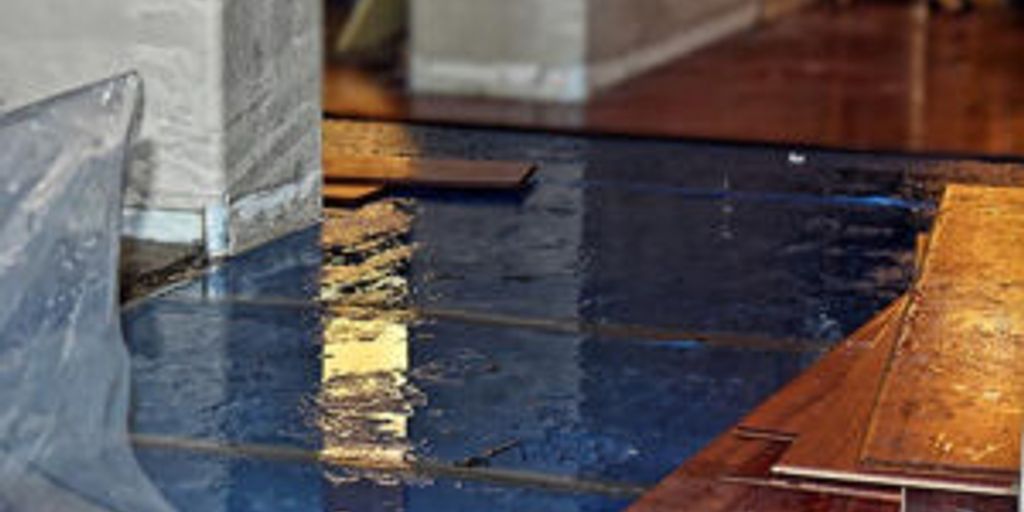
In the heart of Minneapolis, MN, the historic district of Marcy-Holmes stands as a testament to the city’s rich architectural and cultural heritage. Recently, Water Damage Pro undertook a significant restoration project in this historic district, addressing severe water damage that threatened the integrity of several historic buildings. This article delves into the historical significance of Marcy-Holmes, the causes and immediate actions taken during the water damage incident, the restoration process, and the impact on the community.
Key Takeaways
- Water Damage Pro successfully restored historic buildings in Marcy-Holmes, Minneapolis, MN, preserving their architectural integrity.
- Immediate response and thorough assessment were crucial in mitigating further damage and initiating effective restoration.
- Advanced drying, dehumidification, and mold remediation techniques were employed to ensure comprehensive restoration.
- Collaboration with local authorities and historical societies was essential in maintaining historical accuracy and securing necessary permits.
- The restoration project not only preserved the historical integrity of the buildings but also garnered positive feedback and support from the local community.
Historical Significance of the Marcy-Holmes in Minneapolis, MN
Architectural Heritage and Styles
The Marcy-Holmes in Minneapolis, MN, is renowned for its diverse architectural heritage, showcasing styles ranging from Victorian to Art Deco. These structures not only represent the aesthetic values of their respective eras but also embody the cultural and historical narratives of the community. The meticulous craftsmanship and unique design elements have made this district a focal point for Minneapolis restoration companies.
Key Historical Events
The district has been the backdrop for numerous key historical events that have shaped the local and national landscape. From early settlement periods to significant social movements, Marcy-Holmes has witnessed it all. These events are etched into the very fabric of the buildings and streets, making it a living museum of sorts.
Preservation Efforts
Preservation efforts in the Marcy-Holmes District have been robust and multifaceted. The Minnesota Historical Society, along with other local organizations, has spearheaded various initiatives to maintain and restore the area’s historical integrity. These efforts include:
- Renovation of historic buildings: Projects like the Fort Snelling Revitalization have set a benchmark for preservation.
- Community involvement: Local residents and businesses actively participate in preservation activities, ensuring that the district’s historical significance is upheld.
- Collaboration with Minneapolis storm damage repair experts: This ensures that any damage caused by natural events is promptly and effectively addressed.
The [Historic District] stands as a testament to the enduring legacy of Minneapolis’ rich history, offering a unique blend of the past and present.
The Water Damage Incident: Causes and Immediate Actions
Identifying the Source of Water Damage
The project began with a thorough investigation to identify the source of the water intrusion. This step was crucial to prevent further damage and to develop an effective mitigation plan. The team discovered that a combination of heavy rainfall and an aging drainage system were the primary culprits. Additionally, structural vulnerabilities in the building’s foundation allowed water to seep into the lower levels, exacerbating the problem.
Emergency Response by Water Damage Pro
Water Damage Pro’s emergency response team was on-site within hours, equipped with specialized tools and equipment. Their first steps included:
- Shutting off the main water supply to prevent further flooding.
- Using industrial-grade pumps to remove standing water.
- Setting up barriers to contain the affected areas and prevent the spread of water.
Initial Assessment and Mitigation
Following the emergency response, a detailed initial assessment was conducted. This involved evaluating the extent of the damage and identifying areas that required urgent attention. The assessment revealed significant water damage to both structural and non-structural elements, including walls, floors, and historical artifacts. The mitigation process included:
- Drying and Dehumidification: High-capacity dehumidifiers and air movers were deployed to remove moisture from the air and materials.
- Structural Repairs: Immediate repairs were made to stabilize the building and prevent further deterioration.
- Mold and Mildew Prevention: Antimicrobial treatments were applied to inhibit the growth of mold and mildew, a common issue in water damage repair projects.
The swift and efficient actions taken by Water Damage Pro were instrumental in minimizing the long-term impact of the water damage. Their expertise in fire restoration and water mitigation ensured that the historical integrity of the building was preserved.
Restoration Process: Techniques and Challenges
Drying and Dehumidification
The initial step in flood restoration is drying and dehumidification. This process is crucial to prevent further deterioration of the structure. High-capacity air movers and dehumidifiers are employed to remove moisture from the air and materials. The use of moisture meters ensures that the drying process is thorough and complete.
Structural Repairs and Material Conservation
Structural repairs involve addressing any damage to the building’s framework. This can include replacing deteriorated wood, reinforcing weakened structures, and ensuring the integrity of load-bearing elements. Material conservation focuses on preserving original materials whenever possible, using techniques such as consolidation and in-painting to maintain historical accuracy.
Addressing Mold and Mildew
Mold and mildew are common issues following water damage. Specialized cleaning agents and techniques are used to remove mold spores and prevent their return. This step is essential not only for the health of the building’s occupants but also for the longevity of the restored structure.
The restoration process is a delicate balance between modern techniques and historical preservation, ensuring that the building retains its historical integrity while being safe and functional for future use.
Collaboration with Local Authorities and Preservation Organizations
Permits and Regulations
Securing the necessary permits and adhering to regulations is a critical step in the restoration process. Working with local authorities ensures that all restoration activities comply with municipal codes and historical preservation standards. This collaboration helps in maintaining the historical integrity of the district while allowing for modern interventions where necessary.
Partnerships with Historical Societies
Forming partnerships with historical societies is essential for the success of any restoration project. These organizations provide valuable insights and resources that can guide the restoration process. They often have access to historical documents, photographs, and other materials that can inform the restoration efforts. Additionally, they can offer recommendations for specialized contractors and craftspeople who are experienced in historical preservation.
Community Involvement and Support
Community involvement is a cornerstone of successful historical restoration. Engaging local residents and stakeholders not only fosters a sense of ownership but also ensures that the restoration project meets the community’s needs and expectations. Public meetings, workshops, and surveys are effective ways to gather input and keep the community informed. Community support can also be instrumental in securing funding and other resources for the project.
The collaboration between Water Damage Pro, local authorities, and preservation organizations exemplifies a comprehensive approach to historical restoration, ensuring that the historic district retains its cultural and historical significance for future generations.
Impact on the Community and Historical Integrity
Restoration Benefits for the Community
The restoration project has significantly enhanced the desirability of the historic district, contributing to increased property values. Homeowners in the area have expressed immense satisfaction in preserving a piece of history, which they believe adds immeasurable value beyond monetary terms.
Maintaining Historical Accuracy
A cornerstone of the project was the meticulous attention to historical accuracy. This included restored landscapes and viewsheds, which were critical to maintaining the district’s historical integrity. The project also incorporated input from local historical societies to ensure that the restoration efforts were both accurate and respectful of the site’s complex history.
Feedback from Local Residents
Local residents have overwhelmingly supported the restoration efforts. They appreciate the balance between preserving historical elements and making the area accessible and relatable to all. The community’s involvement has been crucial in achieving a restoration that honors the past while looking forward to the future.
The project has not only preserved the physical structures but also the stories and memories that make the historic district a unique and cherished part of the community.
Case Study: Detailed Project Overview
Project Scope and Objectives
The restoration project in Marcy-Holmes, MN, aimed to address significant water damage while preserving the historical integrity of the structures. The primary objective was to restore the affected buildings to their original state, ensuring both structural stability and historical accuracy. This involved a comprehensive assessment of the damage, followed by meticulous planning and execution of restoration techniques.
Timeline and Milestones
The project was divided into several phases to ensure systematic progress and minimal disruption to the community. The key milestones included:
- Initial Assessment and Damage Documentation
- Emergency Mitigation and Stabilization
- Detailed Restoration Planning
- Execution of Restoration Techniques
- Final Inspection and Approval
| Phase | Duration | Key Activities |
|---|---|---|
| Initial Assessment | 2 weeks | Damage documentation, stakeholder consultations |
| Emergency Mitigation | 1 month | Water extraction, temporary repairs |
| Detailed Restoration Planning | 1.5 months | Developing restoration plans, obtaining permits |
| Execution of Restoration | 3 months | Structural repairs, material conservation |
| Final Inspection | 2 weeks | Quality checks, final approval from authorities |
Cost and Resource Allocation
The project required a significant investment in both financial and human resources. The estimated cost was approximately $1.2 million, which covered materials, labor, and specialized restoration services. The resource allocation was as follows:
- Materials: $50,000
- Labor: $40,000
- Specialized Services: $30,000
The collaboration with local authorities and preservation organizations was crucial in securing the necessary funding and resources for the project.
Future Preservation and Maintenance Plans
To ensure the longevity of the historic structures in Marcy-Holmes, MN, a comprehensive preservation strategy is essential. Key elements include regular condition assessments, preventive maintenance, and adaptive reuse. These strategies not only preserve the historical integrity but also adapt the structures to meet modern needs.
Scheduled maintenance activities are crucial for the ongoing preservation of historic buildings. These activities include:
- Regular inspections of structural integrity
- Routine cleaning and conservation of materials
- Periodic updates to mechanical systems
- Ensuring compliance with current safety standards
Educational programs and public awareness campaigns play a vital role in the preservation efforts. By educating the community about the historical significance and the ongoing preservation efforts, we can foster a sense of pride and responsibility. Public engagement is key to the success of these initiatives.
The integration of modern technologies and sustainable practices ensures that the preservation efforts are both effective and environmentally responsible. This approach not only safeguards the historical structures but also sets a precedent for future preservation projects.
In conclusion, the restoration project undertaken by Water Damage Pro in the historic district of Marcy-Holmes, MN, exemplifies the intricate balance between preserving historical integrity and implementing modern restoration techniques. The successful mitigation of water damage in this project not only safeguarded a piece of history but also revitalized a cherished landmark for future generations. This case study underscores the importance of employing skilled professionals who are adept at navigating the complexities of historical restorations. By collaborating with local authorities and adhering to stringent preservation standards, Water Damage Pro has set a benchmark for excellence in the field of historical property restoration.
Frequently Asked Questions
What is the historical significance of the Marcy-Holmes in Minneapolis, MN?
The Marcy-Holmes in Minneapolis, MN, is renowned for its rich architectural heritage and historical events that have shaped the community. Efforts have been made over the years to preserve its unique character and historical integrity.
What caused the water damage?
The water damage was primarily caused by a combination of aging infrastructure and severe weather conditions. Immediate actions were taken by Water Damage Pro to mitigate further damage and begin the restoration process.
What techniques are used in the restoration process?
The restoration process involves several techniques, including drying and dehumidification, structural repairs, material conservation, and addressing mold and mildew. Each step is crucial to ensure the longevity and integrity of the historic property.
How does Water Damage Pro collaborate with local authorities?
Water Damage Pro works closely with local authorities and preservation organizations to obtain necessary permits and adhere to regulations. They also partner with historical societies and involve the community to ensure the restoration aligns with historical preservation standards.
What impact does the restoration have on the community?
The restoration benefits the community by preserving its historical landmarks, boosting local pride, and potentially increasing property values. Maintaining historical accuracy and receiving positive feedback from local residents are key aspects of the project’s success.