In the disaster restoration industry, FLIR thermal imaging cameras have become indispensable tools for water damage mitigation. These advanced devices allow contractors to detect hidden moisture, speed up the claim process, and provide photo documentation of affected areas. By leveraging the unique capabilities of thermal imaging technology, professionals can improve the efficiency and accuracy of water damage assessments, ultimately enhancing the quality of repairs and reducing the likelihood of callbacks.
Key Takeaways
- FLIR thermal imaging cameras can detect hidden moisture in walls, ceilings, and floors, making them essential for accurate water damage assessments.
- These cameras help speed up the insurance claim process by providing clear photo documentation of affected areas.
- Thermal imaging technology can guide the placement of drying equipment and assess the effectiveness of dehumidifiers during remediation.
- Contractors using FLIR thermal imaging cameras can improve the quality of repairs and enhance their credibility with clients and insurance companies.
- The integration of thermal imaging with moisture meters allows for more comprehensive inspections, reducing the need for callbacks and verification.
The Role of FLIR Thermal Imaging Cameras in Water Damage Mitigation
Detecting Hidden Moisture
FLIR thermal imaging cameras are invaluable in identifying hidden moisture that may not be visible to the naked eye. These cameras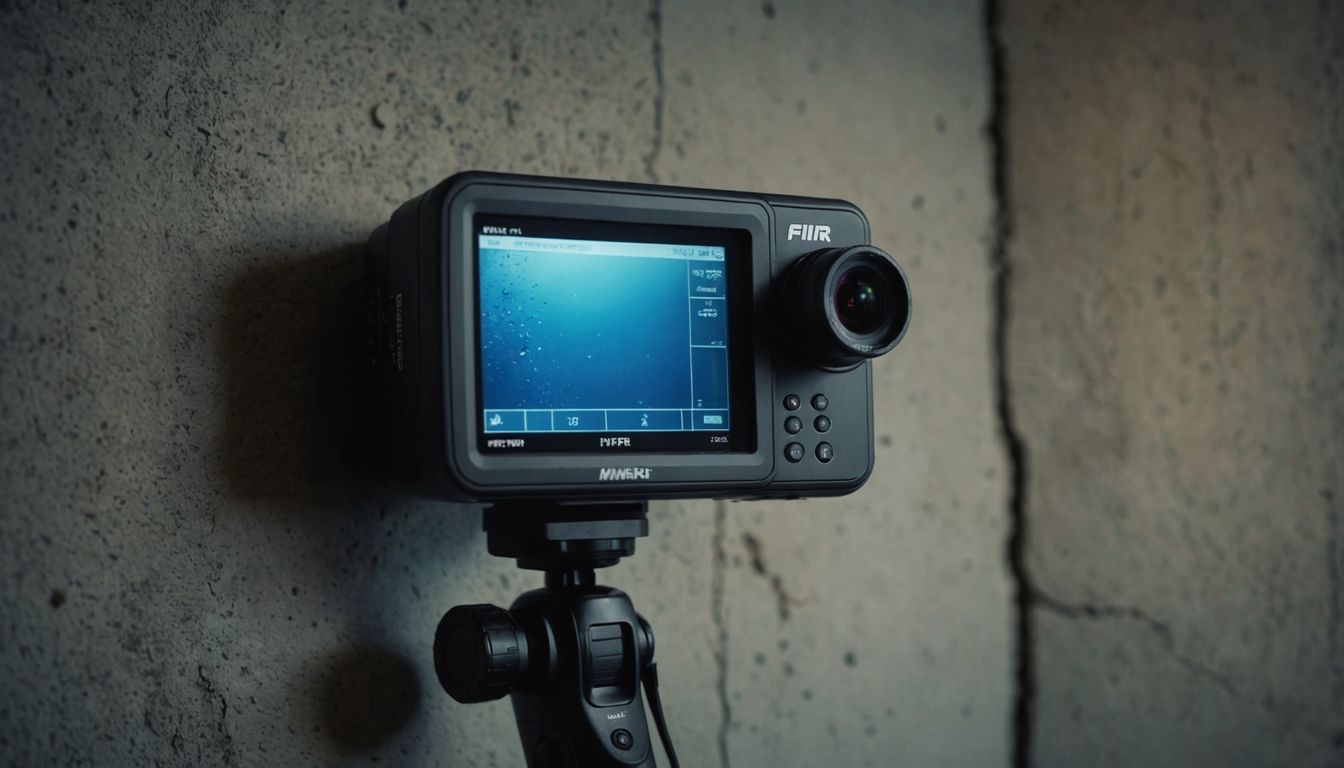 can detect water damage behind walls, under flooring, and in other concealed areas, making them essential for any water damage mitigation service. By pinpointing the exact location of moisture, they help in effective water removal and prevent further structural damage.
Speeding Up the Claim Process
One of the significant advantages of using FLIR thermal imaging cameras is their ability to expedite the insurance claim process. The detailed thermal images provide clear evidence of water damage, which can be quickly shared with insurance companies. This speeds up the approval process, allowing for faster repairs and reducing downtime for property owners.
Providing Photo Documentation
FLIR thermal imaging cameras offer the added benefit of photo documentation. These images serve as a visual record of the affected areas, which can be crucial for both insurance claims and repair work. The ability to provide photo documentation enhances the credibility of the water damage mitigation service, ensuring that all parties involved have a clear understanding of the extent of the damage.
Utilizing FLIR thermal imaging cameras in water damage mitigation not only improves the accuracy of moisture detection but also streamlines the entire restoration process, from initial assessment to final repair.
How FLIR Thermal Imaging Cameras Work
Heat Capacitance and Moisture Detection
FLIR thermal imaging cameras operate by detecting heat capacitance differences in materials. Moisture-laden areas tend to retain heat differently compared to dry areas, making it easier to identify hidden moisture. This capability is crucial for early detection and mitigation of water damage.
Evaporative Cooling Effect
Another principle these cameras utilize is the evaporative cooling effect. When moisture evaporates, it cools the surface, creating a temperature differential that the thermal camera can detect. This allows for the identification of wet areas that may not be visible to the naked eye.
Integration with Moisture Meters
FLIR thermal imaging cameras can be integrated with moisture meters for more accurate readings. This combination provides a comprehensive assessment, ensuring that both surface and subsurface moisture levels are accurately measured. This integration is particularly useful for validating the presence of moisture and planning effective mitigation strategies.
Applications of FLIR Thermal Imaging Cameras in Post-Storm Recovery
FLIR thermal imaging cameras are invaluable tools in the aftermath of a storm, providing a comprehensive water damage restoration service in Lynnhurst, Minneapolis with advanced drying techniques and quality assurance checks. These innovative technologies ensure efficient and eco-friendly practices for restoration.
Inspecting Property Damage
Thermal imaging cameras allow contractors to quickly identify areas of moisture that are not visible to the naked eye. This capability is crucial for assessing the extent of property damage and planning the necessary remediation steps. By detecting hidden moisture, contractors can prevent further damage and mold growth.
Guiding Drying Equipment Placement
Proper placement of drying equipment is essential for effective water damage mitigation. Thermal imaging cameras help in determining the most affected areas, ensuring that drying equipment is placed where it is needed the most. This targeted approach speeds up the drying process and enhances overall efficiency.
Assessing Dehumidifying Equipment Effectiveness
During the remediation process, it is important to continuously monitor the effectiveness of dehumidifying equipment. Thermal imaging cameras provide real-time data on moisture levels, allowing contractors to make necessary adjustments. This ensures that the dehumidifying equipment is working optimally, leading to a more successful restoration process.
The integration of thermal imaging tools with moisture meters can significantly improve the quality of post-storm recovery efforts, making the process more efficient and reliable.
Advantages of Using FLIR Thermal Imaging Cameras for Contractors
Improving Repair Quality
FLIR thermal imaging cameras enable contractors to identify hidden moisture and other issues that are not visible to the naked eye. This ensures that repairs are thorough and effective, reducing the likelihood of future problems. By detecting issues early, contractors can address them before they escalate, leading to higher quality repairs.
Enhancing Contractor Credibility
Using advanced technology like FLIR thermal imaging cameras can significantly enhance a contractor’s credibility. Clients are more likely to trust a contractor who uses state-of-the-art tools to diagnose and solve problems. This trust can lead to more referrals and repeat business, as clients feel confident in the contractor’s ability to deliver high-quality work.
Reducing Callbacks and Verification Needs
Thermal imaging cameras help in providing clear visual evidence of the work done, which can be shared with clients. This transparency reduces the need for callbacks and additional verification, saving both time and resources. Contractors can document the problem areas and the repairs made, ensuring that clients are satisfied with the work completed.
FLIR thermal imaging cameras are invaluable tools for contractors, offering a blend of precision, efficiency, and client satisfaction that traditional methods simply cannot match.
Case Studies: Real-World Uses of FLIR Thermal Imaging Cameras
In a multi-unit apartment complex, a persistent roof leak was causing significant damage. Traditional methods failed to locate the source. Using a FLIR thermal imaging camera, the maintenance team quickly identified the exact location of the leak, hidden behind layers of insulation and roofing material. This allowed for targeted repairs, minimizing disruption to tenants and reducing repair costs.
During a kitchen remodel, contractors suspected moisture behind the walls but couldn’t pinpoint its origin. The FLIR thermal imaging camera revealed cold spots indicative of moisture accumulation. By addressing these areas early, the team prevented potential mold growth and structural damage, ensuring a successful remodel.
After a devastating hurricane, a community faced widespread water damage. FLIR thermal imaging cameras were deployed to assess the extent of moisture intrusion in homes and public buildings. This technology enabled rapid identification of affected areas, guiding efficient placement of drying equipment and speeding up the recovery process.
The effectiveness of FLIR thermal imaging cameras in post-storm recovery is unparalleled, providing clear insights into hidden moisture issues and facilitating faster restoration efforts.
Challenges and Solutions in Water Damage Mitigation with FLIR Thermal Imaging Cameras
Identifying False Moisture Readings
One of the primary challenges when using FLIR thermal imaging cameras is the potential for false moisture readings. This can occur due to materials with naturally higher moisture content, such as tile, which can be mistaken for water damage. To mitigate this, it’s essential to use thermal imaging in conjunction with moisture meters to confirm the presence of moisture.
Reaching Difficult Areas
Thermal imaging cameras are invaluable for accessing hard-to-reach areas, such as high ceilings or behind walls. However, these areas can still pose a challenge. Utilizing extension tools and ensuring proper camera angles can help in capturing accurate images, making the water cleanup process more efficient.
Ensuring Accurate Inspections
Accurate inspections are crucial for effective water damage restoration. Learning to correctly interpret thermal images is key. Training and experience play significant roles in ensuring that the thermal imaging camera is used to its full potential, thereby reducing the likelihood of missed moisture spots.
Proper training and the integration of additional tools like moisture meters can significantly enhance the accuracy of inspections, leading to more effective water damage restoration.
Water damage mitigation can be a daunting task, but with FLIR Thermal Imaging Cameras, identifying and addressing hidden moisture becomes significantly easier. These advanced cameras help pinpoint problem areas quickly, ensuring efficient and effective restoration. For more information on how FLIR Thermal Imaging Cameras can aid in water damage mitigation, visit our website today.
Conclusion
In conclusion, FLIR thermal imaging cameras are indispensable tools in the field of water damage mitigation. Their high sensitivity and ability to detect moisture in hard-to-reach areas make them invaluable for both immediate and long-term restoration efforts. By speeding up the claim process, providing accurate documentation, and improving the effectiveness of drying and remediation, these cameras not only enhance the quality of repairs but also add credibility to contractors. Whether dealing with post-hurricane recovery or routine inspections, the integration of thermal imaging with moisture meters ensures a more efficient and thorough approach to water damage mitigation.
Frequently Asked Questions
What is a FLIR thermal imaging camera?
A FLIR thermal imaging camera is a device that detects infrared radiation (heat) and converts it into an image, allowing users to see temperature variations in objects and environments.
How do FLIR thermal imaging cameras help in water damage mitigation?
FLIR thermal imaging cameras help detect hidden moisture, speed up the claim process, provide photo documentation, and guide the placement of drying equipment, making the water damage mitigation process more efficient.
Can FLIR thermal imaging cameras detect moisture behind walls?
Yes, FLIR thermal imaging cameras can detect moisture behind walls by identifying temperature differences caused by the presence of water, which affects the heat capacitance and evaporative cooling of the materials.
Are FLIR thermal imaging cameras useful for post-storm recovery?
Absolutely. They are used for inspecting property damage, guiding drying equipment placement, and assessing the effectiveness of dehumidifying equipment during post-storm recovery.
What are the advantages of using FLIR thermal imaging cameras for contractors?
Contractors benefit from improved repair quality, enhanced credibility, reduced callbacks, and the ability to provide accurate and timely inspections.
How do FLIR thermal imaging cameras integrate with moisture meters?
FLIR thermal imaging cameras can be used alongside moisture meters to provide a comprehensive assessment of moisture levels, combining visual thermal images with precise moisture readings for more accurate inspections.