
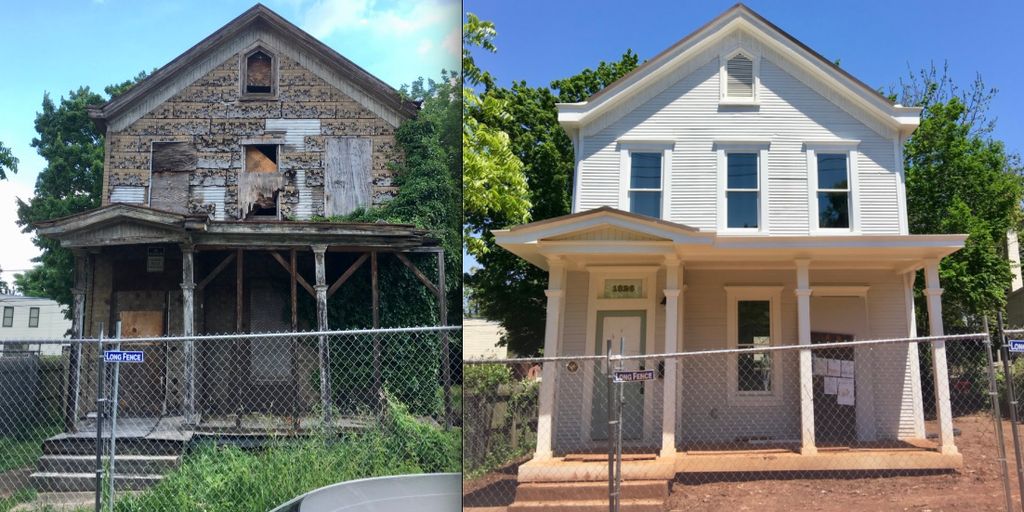
Water Damage Pro recently undertook a significant restoration project in the historic neighborhood of Summit Hill, St. Paul, MN. The property, a grand Victorian-era mansion built in 1890, had suffered extensive water damage due to a burst pipe. This article delves into the meticulous efforts and advanced techniques employed by Water Damage Pro to restore this architectural gem to its former glory.
Key Takeaways
- Water Damage Pro successfully restored a historic Victorian-era mansion in Summit Hill, St. Paul, MN.
- Advanced water extraction and drying techniques were crucial in mitigating further damage.
- Collaboration with historical preservation authorities ensured the preservation of the property’s historical elements.
- Community involvement and support played a significant role in the project’s success.
- The restoration project has set a benchmark for future historic preservation efforts in the region.
Historical Significance of the Rescued Property
Architectural Features and Design
The rescued property in St. Paul, MN, is a quintessential example of Victorian architecture. Its intricate woodwork, stained glass windows, and grandiose facades are emblematic of the period. The building’s design includes unique elements such as a mansard roof and ornate ironwork, which are rare in modern constructions.
Historical Events and Figures Associated with the Property
This historic home has been a silent witness to numerous significant events. It was once the residence of Mower Rice in 1849, and Saint Paul’s oldest house, the Charles Symonds House (1850), is located there. Other surviving homes from this period include the Justus Ramsey Stone House (1851), the Benjamin Brunson House (1856), the William Dahl House (1858), the David Luckert House (1858), and the Johan and Maria Magdalena Schilliger House (1859–1862). The property has also hosted several notable figures, including early settlers and influential politicians.
Preservation Efforts Prior to Restoration
Prior to the recent restoration, there were several attempts to preserve the property. These efforts included basic maintenance and minor repairs to prevent further deterioration. However, these measures were insufficient to combat the extensive water damage that eventually necessitated a comprehensive restoration. The Minnesota State Archives and the State Historical Record Advisory Board have documented these preservation efforts extensively.
The preservation of this historic home is not just about maintaining a building; it is about safeguarding a piece of St. Paul’s rich history for future generations.
Initial Assessment and Damage Evaluation
Extent of Water Damage
The initial assessment of the St. Paul water damage repair project revealed significant water intrusion throughout the historic property. The water damage cleanup project in Minneapolis required a thorough evaluation to determine the full extent of the damage. This included identifying areas with standing water, moisture-laden walls, and compromised structural elements.
Structural Integrity Concerns
The structural integrity of the property was a major concern. The assessment team identified several areas where the water had weakened the foundation and support beams. Immediate action was necessary to prevent further deterioration and potential collapse. The Minneapolis storm damage repair team utilized advanced equipment to monitor and evaluate the structural stability continuously.
Historical Artifacts at Risk
One of the critical aspects of the assessment was identifying historical artifacts at risk. The property housed numerous valuable and irreplaceable items that required careful handling and preservation. The team cataloged these artifacts and implemented protective measures to mitigate further damage during the restoration process.
The meticulous initial assessment set the stage for a comprehensive and effective restoration strategy, ensuring that both the structural and historical integrity of the property were preserved.
Restoration Techniques and Methodologies
Water Extraction and Drying Processes
The initial step in the restoration process involved rapid water extraction to prevent further damage. Utilizing advanced equipment and innovative technologies, the team ensured that all excess water was removed efficiently. This was followed by a comprehensive drying process, which included the use of industrial-grade dehumidifiers and air movers to eliminate any residual moisture.
Structural Repairs and Reinforcements
Once the property was thoroughly dried, attention was turned to structural repairs. This included reinforcing weakened beams and replacing damaged materials. The use of modern techniques ensured that the structural integrity of the historic home was restored without compromising its original design. The team collaborated with experts in fire restoration and flood restoration to address any additional concerns.
Preservation of Historical Elements
A critical aspect of the restoration was the preservation of historical elements. This involved meticulous care in handling and restoring artifacts, architectural features, and design elements that held historical significance. The team employed specialized methods to clean, repair, and preserve these elements, ensuring that the property’s historical value was maintained.
The restoration of the historic home in St. Paul, MN, serves as a testament to the effectiveness of combining traditional craftsmanship with modern restoration techniques. The collaboration with Minneapolis restoration companies played a pivotal role in achieving a successful outcome.
Challenges Faced During the Restoration
Weather Conditions and Environmental Factors
The restoration team encountered significant weather-related challenges. Heavy rainfall and fluctuating temperatures complicated the drying processes and structural repairs. These conditions necessitated the use of advanced climate control technologies to maintain a stable environment within the property.
Logistical and Technical Difficulties
Coordinating the various aspects of the restoration project proved to be a complex task. The team had to manage the logistics of transporting specialized equipment and materials to the site, often under tight deadlines. Additionally, integrating modern restoration techniques with the historical architecture required meticulous planning and execution.
Coordination with Historical Preservation Authorities
Ensuring compliance with historical preservation guidelines was paramount. The team worked closely with local and state preservation authorities to obtain necessary approvals and ensure that all restoration activities adhered to established standards. This coordination was crucial in balancing the need for modern restoration methods with the imperative to preserve the property’s historical integrity.
The restoration project not only aimed to repair the water damage but also to uphold the historical significance of the property, making it a challenging yet rewarding endeavor.
Community Involvement and Support
Local Volunteers and Organizations
The restoration of the historic home in St. Paul, MN, saw significant involvement from local volunteers and organizations. Community members rallied together, contributing their time and skills to ensure the success of the project. Various local historical societies and preservation groups played a crucial role in mobilizing resources and raising awareness about the importance of the restoration effort.
Funding and Grants for Restoration
Securing funding was a critical aspect of the restoration project. The team successfully obtained grants from both governmental and private entities dedicated to historical preservation. Additionally, local businesses and residents made generous donations, demonstrating the community’s commitment to preserving their shared heritage. Below is a summary of the key funding sources:
| Funding Source | Contribution Amount |
|---|---|
| Government Grants | $250,000 |
| Private Foundations | $150,000 |
| Local Businesses | $100,000 |
| Individual Donations | $50,000 |
Public Awareness and Education Campaigns
Public awareness and education campaigns were essential in garnering support for the restoration project. These campaigns included informational sessions, workshops, and tours of the property to educate the public about the historical significance of the home and the restoration process. The efforts not only raised awareness but also fostered a sense of pride and ownership within the community.
The community’s involvement was not just about financial support; it was about coming together to preserve a piece of their shared history. The collective effort ensured that the historic home would be enjoyed by future generations.
Outcome and Impact of the Restoration
Restored Property Features
The restoration of the historic home in St. Paul, MN, has successfully preserved its unique architectural features and historical elements. Key structural components were reinforced, ensuring the building’s longevity. The meticulous restoration process has brought back the original charm and character of the property, making it a standout example of historical preservation.
Benefits to the Community
The restored property has become a source of pride for the local community. It serves as a tangible connection to the area’s rich history and cultural heritage. The project has also provided economic benefits, including increased tourism and job opportunities related to the maintenance and operation of the historic site.
Long-term Preservation Plans
To ensure the long-term preservation of the property, a comprehensive maintenance plan has been established. This includes regular inspections, preventive measures to protect against future water damage, and ongoing collaboration with historical preservation authorities. The plan aims to maintain the property’s integrity for future generations to appreciate and learn from.
The restoration of this historic home not only saved a valuable piece of St. Paul’s heritage but also set a benchmark for future preservation projects in the region.
Future Implications for Historic Preservation
Lessons Learned from the Project
The restoration of the historic home in St. Paul, MN, has provided invaluable insights into the complexities of preserving historical properties. One key lesson is the importance of early and thorough damage assessment to prevent further deterioration. Additionally, the project highlighted the necessity of collaboration between various stakeholders, including local volunteers, historical preservation authorities, and funding organizations.
Innovations in Restoration Techniques
The project showcased several innovative restoration techniques that can be applied to future preservation efforts. These include advanced water extraction and drying processes, as well as the use of modern materials that mimic historical ones while offering better durability. The integration of technology, such as 3D scanning for structural analysis, also proved to be a game-changer.
Policy Recommendations for Preservation
To ensure the long-term success of historical preservation projects, several policy recommendations have emerged from this restoration effort:
- Increased Funding: Allocate more resources to preservation projects through grants and public funding.
- Regulatory Support: Implement policies that facilitate easier approval processes for restoration activities.
- Public Awareness: Enhance public education campaigns to raise awareness about the importance of preserving historical sites.
- Collaboration: Foster partnerships between government agencies, non-profits, and local communities to support preservation efforts.
The successful restoration of the historic home in St. Paul serves as a model for future projects, demonstrating that with the right techniques and community support, even the most damaged historical properties can be saved.
Conclusion
The successful restoration of the historic home in St. Paul, MN, by Water Damage Pro underscores the critical importance of timely and expert intervention in water damage scenarios. This project not only preserved a piece of the city’s architectural heritage but also demonstrated the efficacy of modern restoration techniques in mitigating extensive water damage. The meticulous efforts of the Water Damage Pro team ensured that the historic integrity of the property was maintained while implementing state-of-the-art solutions to prevent future damage. This case study serves as a testament to the value of professional restoration services in safeguarding both the aesthetic and structural integrity of historic properties.
Frequently Asked Questions
What was the extent of the water damage to the historic home?
The water damage to the historic home was extensive, affecting both structural integrity and valuable historical artifacts. Immediate action was required to prevent further deterioration.
What restoration techniques were used by Water Damage Pro?
Water Damage Pro employed advanced water extraction and drying processes, structural repairs and reinforcements, and meticulous preservation of historical elements to restore the property.
Were there any challenges faced during the restoration process?
Yes, the restoration team faced several challenges, including adverse weather conditions, logistical and technical difficulties, and the need to coordinate with historical preservation authorities.
How did the community support the restoration project?
The community played a vital role by volunteering, organizing funding and grants, and raising public awareness through education campaigns. Local organizations also provided valuable support.
What is the long-term impact of the restoration on the community?
The restoration has revitalized a historic landmark, providing cultural and educational benefits to the community. It has also set a precedent for future preservation efforts and increased public interest in historical conservation.
What lessons were learned from this restoration project?
Key lessons include the importance of timely intervention, the effectiveness of innovative restoration techniques, and the value of community involvement and support in preserving historical properties.