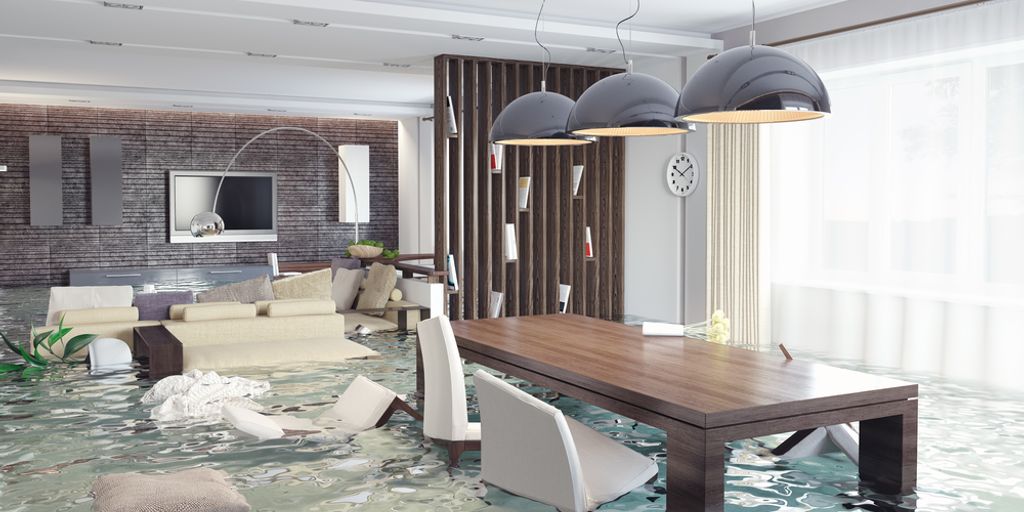
Water Damage Pro recently completed a comprehensive water damage restoration project in the Highland Park neighborhood of St. Paul, MN. The project involved mitigating severe flooding in a residential property, restoring it from a state of extensive water damage to its former glory. This case study explores the challenges faced, the innovative techniques employed, and the successful outcomes achieved for the client.
Key Takeaways
- Effective water damage restoration requires a thorough initial assessment to identify all affected areas and potential risks.
- Immediate response and quick action are crucial to minimize further damage and begin the restoration process efficiently.
- Advanced drying equipment and moisture detection tools are essential for effective water extraction and structural drying.
- Clear and proactive communication with the client ensures their concerns are addressed and they are kept informed throughout the project.
- Implementing preventative measures can significantly reduce the risk of future water damage and provide long-term benefits for the property.
Project Overview and Initial Assessment
Location and Background
The recent project undertaken by Water Damage Pro was located in St. Paul, MN. The property, a residential home, experienced significant water damage due to a burst pipe. The incident occurred during the winter months, exacerbating the damage due to freezing temperatures. The homeowners, long-time residents of St. Paul, were understandably distressed by the sudden and severe damage to their property.
Initial Damage Assessment
Upon arrival, the Water Damage Pro team conducted a thorough initial damage assessment. This included:
- Inspecting the affected areas to determine the extent of water infiltration.
- Utilizing moisture detection tools to identify hidden pockets of moisture.
- Assessing structural components for any immediate threats to safety.
The assessment revealed extensive water damage to both the structural and non-structural elements of the home.
Client Concerns and Objectives
The clients had several concerns and objectives that needed to be addressed:
- Ensuring the safety and habitability of their home.
- Preventing any potential mold growth due to prolonged moisture exposure.
- Restoring the property to its pre-damage condition as quickly as possible.
The clients were particularly worried about the long-term implications of water damage, including mold growth and structural integrity. Their primary objective was to restore their home to a safe and livable condition without compromising on quality.
Mitigation Strategies Employed
Immediate Response Actions
The first step in the St. Paul water mitigation project was to initiate immediate response actions. Rapid response is crucial to minimize water damage and prevent further complications. The team quickly assessed the situation and deployed necessary resources to stabilize the environment.
Water Extraction Techniques
Effective water extraction is a cornerstone of any water mitigation effort. The team employed advanced water extraction techniques to remove standing water from the affected areas. This included the use of high-powered pumps and vacuums designed for large-scale water removal.
Preventative Measures
To ensure long-term success, the team implemented several preventative measures. These included:
- Installing moisture barriers
- Sealing cracks and openings
- Applying antimicrobial treatments to prevent mold growth
The combination of immediate response actions, advanced water extraction techniques, and preventative measures ensured a comprehensive approach to water mitigation in St. Paul.
Restoration Process and Techniques
Structural Drying Methods
The structural drying phase is critical in any water damage cleanup project in Minneapolis. Advanced drying equipment, such as industrial-grade dehumidifiers and high-speed air movers, are employed to expedite the drying process. This ensures that moisture is thoroughly removed from structural elements, preventing long-term damage and mold growth.
Mold Remediation
Mold remediation is a vital component of the St. Paul water damage repair project. The team uses specialized techniques to identify and eliminate mold colonies. This includes the use of HEPA vacuums, antimicrobial treatments, and containment barriers to prevent cross-contamination. The goal is to restore a safe and healthy environment for the occupants.
Material Replacement and Repairs
Once the drying and mold remediation phases are complete, the focus shifts to material replacement and repairs. This involves replacing damaged drywall, flooring, and insulation. Minneapolis restoration companies ensure that all materials used meet industry standards for quality and durability. The final step is to restore the property to its pre-damage condition, making it look as good as new.
The meticulous approach taken during the restoration process not only addresses immediate concerns but also ensures the long-term integrity and safety of the property.
Challenges and Solutions
During the restoration project in St. Paul, MN, several unforeseen complications arose. These included unexpected structural weaknesses and previously undetected mold growth. Addressing these issues required immediate and innovative solutions to prevent further delays.
To tackle the unforeseen complications, the team employed adaptive strategies such as:
- Rapid reassessment of the structural integrity of the building.
- Implementation of advanced mold remediation techniques.
- Continuous monitoring and adjustment of the restoration plan.
Effective client communication was paramount throughout the project. The team ensured that the client was kept informed at every stage through:
- Regular progress updates.
- Transparent discussion of challenges and proposed solutions.
- Prompt responses to client queries and concerns.
Maintaining open lines of communication helped build trust and ensured client satisfaction despite the challenges faced.
Project Outcomes and Client Satisfaction
Final Inspection and Approval
The final inspection was conducted meticulously, ensuring that all aspects of the restoration met the highest standards. The project manager and the assistant project manager were both present, providing a thorough walkthrough of the restored areas. The inspection confirmed that the structural integrity and aesthetic quality of the property were fully restored. This final step was crucial in validating the success of the project and ensuring client satisfaction.
Client Feedback
Client feedback was overwhelmingly positive. The clients appreciated the prompt response and the professionalism of the team. They noted that while there were a few minor issues that required follow-up, these were addressed efficiently. Some key points from client feedback include:
- The project manager’s commitment to excellence was evident throughout the process.
- The cleaning crew was punctual and efficient, even on short notice.
- The overall experience was highly commendable, with the team demonstrating a sincere commitment to excellence.
"ServiceMaster helped me out when I was at my lowest and I didn’t know which direction to go. They gave very good guidance in that regard."
Long-term Benefits
The long-term benefits of the project are substantial. The property is now not only restored to its original condition but also fortified against future water damage. Preventative measures implemented during the restoration process have significantly reduced the risk of future issues. The clients can now enjoy a safe, aesthetically pleasing, and structurally sound home. The successful completion of this project has also enhanced the reputation of Water Damage Pro in the St. Paul, MN area.
Technological Innovations Utilized
Advanced Drying Equipment
In the recent project in St. Paul, MN, Water Damage Pro employed state-of-the-art drying equipment to expedite the restoration process. The use of high-capacity dehumidifiers and air movers significantly reduced the drying time. This not only minimized the potential for mold growth but also allowed for quicker reoccupation of the space.
Moisture Detection Tools
Accurate moisture detection is crucial in water damage restoration. The team utilized advanced moisture meters and thermal imaging cameras to identify hidden moisture pockets. This technology ensured that no area was left untreated, thereby preventing future complications.
Software for Project Management
Efficient project management was facilitated through specialized software. This software allowed for real-time tracking of progress, resource allocation, and communication between team members and the client. The integration of this technology ensured that the project stayed on schedule and met all client expectations.
The integration of advanced technology not only streamlined the restoration process but also enhanced the overall quality of the work, ensuring long-term client satisfaction.
Conclusion
The recent project undertaken by Water Damage Pro in St. Paul, MN, exemplifies the company’s commitment to excellence in water damage restoration. Through meticulous planning, state-of-the-art technology, and a dedicated team, Water Damage Pro successfully transformed a severely flooded property into a safe and habitable space. This case study not only highlights the technical proficiency of the team but also underscores the importance of timely intervention and professional expertise in mitigating water damage. As communities continue to face the challenges posed by water-related disasters, the role of specialized restoration services remains indispensable. Water Damage Pro’s exemplary work in St. Paul serves as a testament to their unwavering dedication to restoring normalcy and ensuring the safety and well-being of affected residents.
Frequently Asked Questions
What areas do you serve?
We serve Minneapolis, St. Paul, and the surrounding areas, including neighborhoods like Bryn Mawr, Downtown Minneapolis, and North Loop.
How quickly can you respond to a water damage emergency?
We typically respond within 30 minutes to an hour, depending on the location and severity of the emergency.
What types of properties do you handle?
We handle both residential and commercial properties of various sizes and types.
What is the typical drying time for a water damage project?
The drying time varies depending on the extent of the damage, but it generally takes between 24 to 72 hours.
Do you assist with insurance claims?
Yes, we assist our clients with the insurance claims process to ensure a smooth and hassle-free experience.
What preventative measures do you recommend to avoid future water damage?
We recommend regular maintenance of plumbing systems, installation of sump pumps, and the use of water detection alarms to help prevent future water damage.