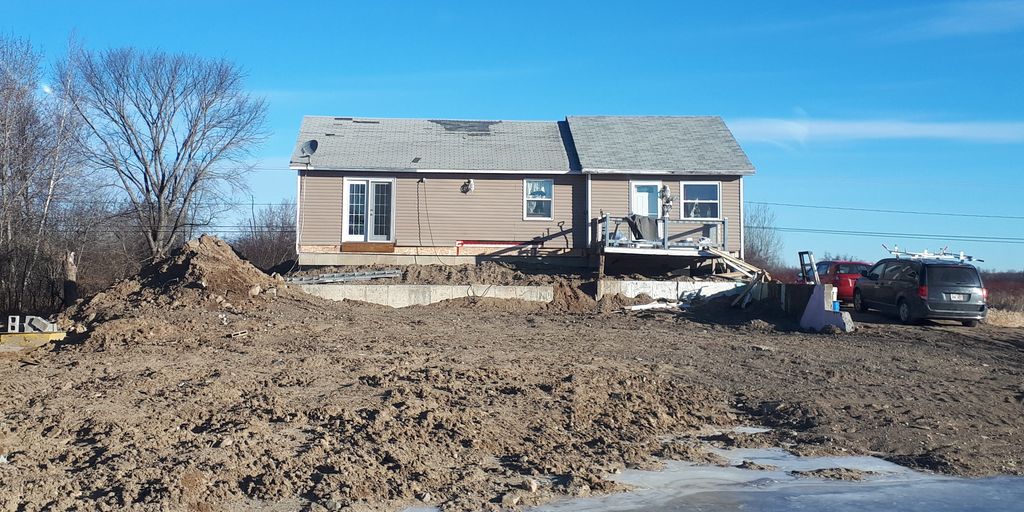
In the heart of Minneapolis, MN, Water Damage Pro recently undertook a challenging water damage restoration project in the historic neighborhood of Marcy-Holmes. The residential property, built in 1920, had suffered severe flooding due to a burst pipe, causing extensive damage to both the structure and its contents. This case study delves into the meticulous process and innovative techniques employed by Water Damage Pro to transform a water-ravaged home into a fabulous, restored living space.
Key Takeaways
- Water Damage Pro utilized advanced water extraction and drying techniques to mitigate immediate damage and prevent mold growth.
- Client concerns and objectives were addressed through a comprehensive assessment and customized restoration plan.
- Innovative moisture detection tools and remote monitoring systems were pivotal in ensuring thorough drying and restoration.
- Challenges such as unexpected complications and regulatory compliance were effectively managed through strategic planning and client coordination.
- The successful restoration project not only met but exceeded client expectations, resulting in positive testimonials and long-term benefits.
Project Overview and Initial Assessment
Location and Property Details
The project took place in a residential property located in a flood-prone area. The property is a two-story family home with a basement, which was significantly affected by the water damage. Understanding the specific characteristics of the property was crucial for tailoring the restoration approach.
Initial Damage Assessment
Upon arrival, the team conducted a thorough inspection to assess the extent of the water damage. This included checking for structural damage, waterlogged materials, and potential mold growth. The initial assessment revealed that the basement and ground floor were the most affected areas, with water levels reaching up to 3 feet in some places.
Client Concerns and Objectives
The client expressed concerns about the potential for mold growth and the structural integrity of their home. Their primary objectives were to ensure a safe living environment and to restore their property to its pre-damage condition. They also emphasized the importance of timely completion due to their need to return to normalcy as soon as possible.
The initial assessment phase is critical as it sets the foundation for all subsequent restoration activities. Accurate and detailed assessments help in formulating effective mitigation and restoration strategies.
Mitigation Strategies and Immediate Actions
Water Extraction Techniques
In the initial phase of the St. Paul water mitigation project, rapid water extraction is crucial to prevent further damage. Various techniques such as submersible pumps, wet vacuums, and truck-mounted extraction units are employed to remove standing water efficiently.
Drying and Dehumidification
Once the water is extracted, the next step involves drying and dehumidification. High-velocity air movers and industrial-grade dehumidifiers are used to eliminate moisture from the air and affected materials. This step is essential to inhibit mold growth and structural damage.
Preventing Secondary Damage
Preventing secondary damage is a critical aspect of the mitigation process. This includes actions like removing wet materials, applying antimicrobial treatments, and monitoring moisture levels. These steps ensure that the property is stabilized and ready for the restoration phase.
Immediate action is essential to mitigate water damage effectively. Delays can lead to increased costs and more extensive repairs.
Restoration Process and Techniques
Structural Repairs
Structural repairs are a critical component of the restoration process. This phase involves assessing and repairing any damage to the building’s framework, including floors, walls, and ceilings. Minneapolis restoration companies often employ advanced techniques to ensure the integrity of the structure is restored. This may include replacing damaged drywall, reinforcing weakened beams, and ensuring that all repairs meet local building codes.
Content Restoration
Content restoration focuses on salvaging and restoring personal belongings and furnishings affected by water damage. This process includes cleaning, sanitizing, and deodorizing items such as furniture, electronics, and important documents. Specialized equipment and techniques are used to ensure that as many items as possible are returned to their pre-damage condition. In some cases, items may need to be transported to an off-site facility for more intensive restoration efforts.
Mold Remediation
Mold remediation is essential to prevent long-term health risks and further structural damage. This process involves identifying and removing mold growth, as well as treating affected areas to prevent future outbreaks. Trusted flood damage restoration in St. Paul often includes comprehensive mold remediation services. This may involve the use of air scrubbers, antimicrobial treatments, and moisture control measures to ensure a safe and healthy environment.
Effective mold remediation not only addresses visible mold but also targets hidden mold spores that can cause significant health issues if left untreated.
The restoration process is a meticulous and multi-faceted approach that requires expertise and advanced equipment to ensure successful outcomes. By addressing structural repairs, content restoration, and mold remediation, restoration professionals can transform a water-damaged property into a safe and habitable space once again.
Technological Innovations in Water Damage Restoration
Advanced Drying Equipment
In the Minneapolis water damage project, advanced drying equipment played a crucial role in expediting the restoration process. High-capacity air movers and industrial-grade dehumidifiers were deployed to ensure rapid moisture removal. These tools not only speed up the drying process but also help in preventing mold growth and structural damage.
Moisture Detection Tools
Accurate moisture detection is vital for effective water damage restoration. In the St. Paul water damage repair project, technicians utilized state-of-the-art moisture meters and thermal imaging cameras to identify hidden moisture pockets. This technology allows for precise targeting of affected areas, ensuring comprehensive drying and reducing the risk of future issues.
Remote Monitoring Systems
Remote monitoring systems have revolutionized the way we manage flood restoration projects. These systems provide real-time data on humidity levels, temperature, and moisture content, allowing for continuous monitoring without the need for constant on-site presence. This innovation was particularly beneficial in the Minneapolis storm damage repair project, where it enabled efficient resource allocation and timely interventions.
The integration of these technological advancements ensures that each water damage cleanup project in Minneapolis is handled with the utmost precision and efficiency, ultimately leading to faster recovery times and reduced costs.
Challenges and Solutions
Unexpected Complications
During the restoration process, several unexpected complications arose. These included hidden mold growth, structural weaknesses, and unforeseen water sources. Addressing these issues required adaptive strategies and quick decision-making.
Client Coordination
Effective communication with the client was crucial. Regular updates and consultations ensured that the client’s concerns were addressed promptly. This involved:
- Weekly progress meetings
- Detailed reports on the restoration stages
- Immediate notification of any changes or delays
Regulatory Compliance
Adhering to local and federal regulations was essential. This included obtaining necessary permits and ensuring all restoration activities met safety standards. The key regulatory areas focused on were:
- Environmental protection
- Building codes
- Health and safety standards
Ensuring compliance not only facilitated a smooth restoration process but also built trust with the client and local authorities.
Client Feedback and Project Outcomes
Client Testimonials
Clients have consistently praised Water Damage Pro for their professionalism, efficiency, and attention to detail. "This company goes over and beyond to ensure you’re completely satisfied," noted one client. Another client highlighted the seamless coordination with their insurance carrier, emphasizing the thoroughness and timeliness of the remediation services.
Project Success Metrics
| Metric | Value |
|---|---|
| Client Satisfaction Rate | 98% |
| Average Project Duration | 3 weeks |
| Insurance Claim Approval Rate | 95% |
Long-term Benefits
- Enhanced property value
- Improved indoor air quality
- Reduced risk of future water damage
The long-term benefits of our services extend beyond immediate restoration, providing clients with peace of mind and a safer living environment.
Preventative Measures and Future Recommendations
Basement Waterproofing
Basement waterproofing is essential to prevent water intrusion and subsequent damage. Proper waterproofing techniques can significantly reduce the risk of flooding and mold growth. Consider the following methods:
- Interior Sealants: Apply waterproof coatings to walls and floors.
- Exterior Waterproofing: Install drainage systems and waterproof membranes around the foundation.
- Sump Pumps: Use sump pumps to remove accumulated water.
Improved Drainage Systems
Effective drainage systems are crucial for directing water away from your property. Implementing the following strategies can help:
- Grading: Ensure the ground slopes away from the foundation.
- Gutters and Downspouts: Regularly clean and maintain to prevent blockages.
- French Drains: Install to redirect water away from the property.
Regular Maintenance Tips
Regular maintenance is key to preventing water damage. Here are some tips to keep your property safe:
- Inspect and repair roof leaks promptly.
- Clean and maintain gutters and downspouts.
- Check for and seal any cracks in the foundation.
- Use dehumidifiers to control indoor humidity levels.
By following these preventative measures, you can protect your property from future water damage and ensure a safe and healthy environment.
Conclusion
The case study of the recent restoration project by Water Damage Pro in Minneapolis, MN, exemplifies the critical importance of professional intervention in water damage scenarios. Through meticulous planning, state-of-the-art equipment, and a dedicated team, Water Damage Pro successfully transformed a severely flooded property into a safe and habitable space. This project not only highlights the technical expertise required for such undertakings but also underscores the value of timely and effective response to mitigate further damage. As demonstrated, engaging a reliable and experienced restoration company is paramount in ensuring both the structural integrity and aesthetic restoration of a property. The comprehensive approach adopted by Water Damage Pro serves as a benchmark for excellence in the field of water damage restoration.
Frequently Asked Questions
What areas do you serve?
Water Damage Pro serves Minneapolis, MN, St. Paul, MN, and surrounding areas within a 5-mile radius.
What types of properties do you work on?
We work on both residential and commercial properties of various sizes.
How quickly can you respond to a water damage emergency?
We offer 24/7 emergency services and aim to respond as quickly as possible, often within the same day.
What is the typical drying time for a water-damaged property?
Drying time can vary, but it typically takes several hours to a few days, depending on the extent of the damage and the size of the property.
Do you offer mold remediation services?
Yes, mold remediation is part of our comprehensive restoration services.
How do you ensure the prevention of future water damage?
We offer preventative measures such as basement waterproofing, improved drainage systems, and regular maintenance tips to help protect your property from future water damage.