Mold is a common issue in many homes, especially in areas with high humidity like Highland Park, St. Paul. Efficient mold removal is crucial to ensure the health and safety of residents. This article delves into the various aspects of mold growth, assessment, and remediation, providing valuable insights for homeowners facing mold problems.
Key Takeaways
- Understanding the factors contributing to mold growth can help in early prevention.
- Proper assessment and identification are critical for effective mold remediation.
- Implementing containment and ventilation methods can prevent mold spores from spreading.
- Using antimicrobial treatments ensures that mold is thoroughly eradicated.
- Regular home maintenance and professional inspections are essential to prevent future mold issues.
Understanding Mold Growth in Residential Properties
Factors Contributing to Mold Proliferation
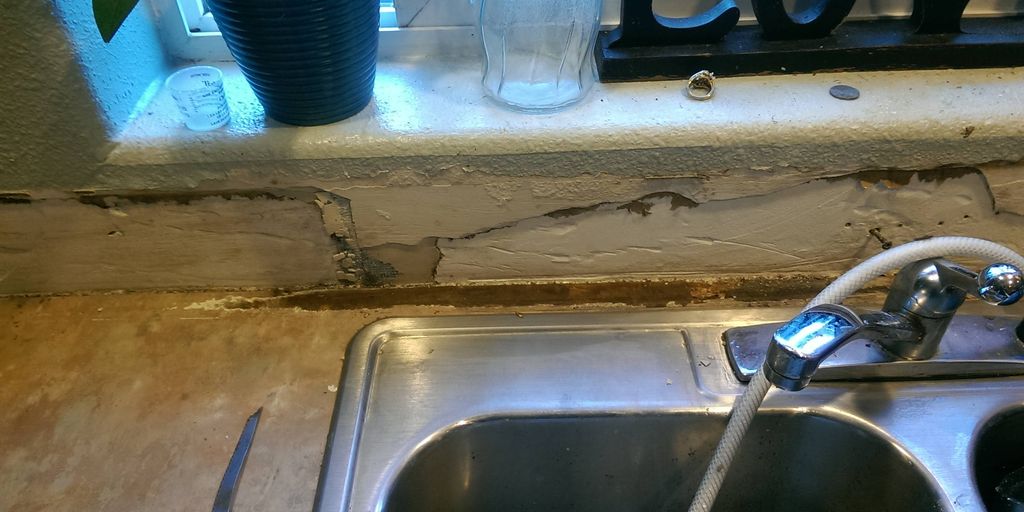
Mold growth is often due to an unaddressed moisture problem in the home. Addressing the root cause of moisture is crucial to prevent mold recurrence. Factors such as high humidity, water leaks, and poor ventilation contribute significantly to mold proliferation. Identifying and resolving these issues is essential for effective mold control.
Common Areas for Mold Development
Mold commonly develops in areas with high moisture levels. These include:
- Basements
- Bathrooms
- Kitchens
- Attics
- Crawl spaces
Regular inspections of these areas can help in early detection and prevention of mold growth.
Health Implications of Mold Exposure
Exposure to mold can pose serious health risks. Individuals may experience symptoms such as:
- Respiratory issues
- Allergic reactions
- Skin irritation
- Headaches
It is important to address mold issues promptly to protect the health and safety of the household.
Assessment and Identification of Mold in Highland Park
Initial Inspection Procedures
Initial inspection procedures are crucial for identifying mold presence in residential properties. Recognizing early signs of mold can prevent health and property damage. Homeowners should look for visible mold, musty odors, and water stains. A thorough inspection involves checking common areas prone to moisture, such as basements, bathrooms, and kitchens.
Advanced Mold Testing Techniques
Advanced mold testing techniques provide a more detailed analysis of mold presence. These methods include air sampling, surface sampling, and bulk sampling. Each technique has its specific applications and benefits:
- Air Sampling: Detects mold spores in the air, useful for identifying hidden mold sources.
- Surface Sampling: Involves swabbing or tape lifting from surfaces to identify mold types.
- Bulk Sampling: Entails collecting materials from the property to analyze mold growth.
Interpreting Mold Test Results
Interpreting mold test results requires understanding the types and concentrations of mold present. Test results can indicate the severity of the mold problem and guide remediation efforts. Proactive measures prevent escalation of mold issues, ensuring a healthier living environment.
Proper assessment and identification of mold are essential steps in the remediation process. Contacting professionals for consultation and solutions can provide tailored strategies for effective mold management.
Effective Mold Remediation Strategies
Containment and Ventilation Methods
Effective containment and ventilation are crucial in preventing the spread of mold spores during remediation. Proper containment involves sealing off the affected area using plastic sheeting and negative air pressure machines. This ensures that mold spores do not contaminate other parts of the home. Ventilation methods, such as using HEPA-filtered air scrubbers, help to remove airborne mold spores and improve air quality.
Use of Antimicrobial Treatments
Antimicrobial treatments are essential in killing mold spores and preventing future growth. These treatments can be applied to affected surfaces after the initial cleaning process. Common antimicrobial agents include biocides and fungicides, which are effective in eliminating mold colonies. It is important to follow the manufacturer’s instructions and safety guidelines when using these chemicals.
Post-Remediation Verification
Post-remediation verification is a critical step to ensure that the mold remediation process has been successful. This involves a thorough inspection and testing of the remediated area to confirm that mold levels are within acceptable limits. Verification can include visual inspections, moisture readings, and air quality tests.
Ensuring that all steps of the remediation process are meticulously followed is key to achieving a mold-free environment. This not only addresses the immediate issue but also helps in long-term water mitigation and mold prevention.
Case Study: Mold Remediation in a Highland Park Home
In this water damage project, a Highland Park home experienced significant mold growth due to prolonged exposure to moisture. The homeowners noticed a musty odor and visible mold patches in the basement and decided to seek professional help.
- Initial Assessment: A thorough inspection was conducted to identify the extent of the mold infestation.
- Containment: The affected areas were sealed off to prevent the spread of mold spores.
- Ventilation: Negative air machines were used to filter the air and maintain proper ventilation.
- Removal: Contaminated materials were carefully removed and disposed of following safety protocols.
- Antimicrobial Treatment: The cleaned areas were treated with antimicrobial solutions to eliminate any remaining mold spores.
- Post-Remediation Verification: Follow-up testing ensured that the mold levels were within safe limits.
The remediation process was successful, and the homeowners were pleased with the results. They reported a significant improvement in air quality and no recurrence of mold issues.
The homeowners expressed their gratitude for the professional and efficient service provided, highlighting the importance of addressing mold issues promptly.
Preventative Measures for Mold in Homes
Moisture control is the cornerstone of mold prevention. Addressing the root cause of mold growth is essential. This often involves identifying and fixing leaks, ensuring proper ventilation, and using dehumidifiers in damp areas. Regularly checking and maintaining plumbing systems can prevent water accumulation that fosters mold growth.
Routine home maintenance plays a critical role in mold prevention. Homeowners should:
- Inspect roofs and gutters to prevent water ingress.
- Ensure that HVAC systems are clean and functioning correctly.
- Regularly clean and dry areas prone to moisture, such as bathrooms and basements.
Professional inspections are invaluable in identifying hidden mold and potential problem areas. Experts use advanced tools and techniques to detect mold that may not be visible to the naked eye. Engaging professional services ensures a thorough assessment and effective prevention strategy.
Regular professional inspections can save homeowners from costly repairs and health issues by catching mold problems early.
Role of Professional Mold Remediation Services
Expertise and Equipment Utilized
Professional mold remediation services bring a wealth of expertise and specialized equipment to tackle mold issues effectively. Their knowledge in identifying mold types and understanding the extent of contamination is crucial for successful remediation. These experts use advanced tools such as moisture meters, infrared cameras, and industrial-grade dehumidifiers to ensure thorough mold removal and prevent recurrence.
Cost-Benefit Analysis
Engaging a professional restoration service for mold remediation can be cost-effective in the long run. While the initial investment may seem high, the benefits include preventing further damage to the property and avoiding health issues related to mold exposure. Here is a simple cost-benefit analysis:
| Aspect | DIY Mold Removal | Professional Mold Remediation |
|---|---|---|
| Initial Cost | Low | High |
| Effectiveness | Variable | High |
| Health Risk | High | Low |
| Long-term Savings | Low | High |
Choosing the Right Remediation Company
Selecting the appropriate company for your water damage cleanup project is essential. Consider the following factors:
- Experience and Certifications: Ensure the company has certified professionals with extensive experience in mold remediation.
- Range of Services: Opt for a company that offers comprehensive services, including water damage repair and mold prevention.
- Customer Reviews: Check reviews and testimonials to gauge customer satisfaction.
- Warranty and Guarantees: A reliable company should offer warranties on their services to ensure peace of mind.
Professional mold remediation services not only address the visible mold but also tackle the underlying issues, ensuring a safer and healthier living environment.
Legal and Insurance Considerations in Mold Remediation
Understanding Local Regulations
Navigating the legal landscape of mold remediation requires a thorough understanding of local regulations. These regulations can vary significantly from one jurisdiction to another, impacting the methods and documentation required for effective mold removal. Compliance with local laws ensures that remediation efforts are both effective and legally sound.
Navigating Insurance Claims
Filing an insurance claim for mold damage can be a complex process. Homeowners must provide detailed documentation of the mold issue, including photographs, inspection reports, and remediation plans. Insurance policies often have specific clauses related to mold coverage, making it essential to review your policy carefully. Working with a leading water damage company in St. Paul offers comprehensive water damage restoration services, including mold remediation and immediate response for emergencies.
Documenting the Remediation Process
Proper documentation is crucial throughout the mold remediation process. This includes initial inspection reports, mold testing results, and detailed records of the remediation steps taken. Maintaining thorough documentation not only supports insurance claims but also ensures compliance with local regulations. It is advisable to keep all records organized and accessible for future reference.
Ensuring that all legal and insurance aspects are meticulously handled can significantly streamline the mold remediation process and provide peace of mind for homeowners.
Conclusion
In conclusion, the mold remediation project undertaken by Water Damage Pro in Highland Park, St. Paul, serves as a testament to the efficacy and importance of professional mold removal services. The meticulous approach, combined with advanced techniques and equipment, ensured the complete eradication of mold, thereby restoring the property to a safe and habitable condition. This case study underscores the critical role of timely intervention and expert handling in mitigating mold-related issues, ultimately safeguarding the health and well-being of the residents. As demonstrated, engaging specialized services not only addresses the immediate problem but also prevents future occurrences, ensuring long-term peace of mind for property owners.
Frequently Asked Questions
What are the common signs of mold growth in a home?
Common signs include a musty odor, visible mold spores, water stains, and respiratory issues among occupants.
Is mold dangerous to health?
Yes, mold can cause respiratory problems, allergic reactions, and other health issues, especially for those with pre-existing conditions.
How can I prevent mold growth in my home?
Regularly inspect for leaks, maintain proper ventilation, use dehumidifiers, and fix any moisture issues promptly.
Can I remove mold myself?
While small mold patches can be handled with proper precautions, extensive mold growth should be addressed by professionals to ensure thorough removal and safety.
How long does professional mold remediation take?
The duration varies based on the extent of the mold problem, but most professional remediation projects can be completed within a few days to a week.
Will my insurance cover mold remediation?
Coverage depends on your insurance policy. It’s best to review your policy and consult with your insurance provider to understand what is covered.