Assessment of water damage is necessary to determine whether your property can be salvaged or if you need to take further action. As a homeowner, understanding the signs of permanent damage will help you make informed decisions about repairs and restoration. This article will guide you through the evaluation process, outline key indicators of lasting damage, and equip you with the knowledge to plan your next steps effectively. Let’s dive in and ensure your home remains safe and sound.
Key Takeaways:
- Identify Sources: Assess the specific source of water damage, such as leaks, flooding, or humidity. Understanding this helps in determining the extent of the damage and the necessary troubleshooting steps.
- Evaluate Structural Integrity: Inspect the affected areas for signs of structural damage. Look for warping, buckling, or rust on materials. Identifying these issues early on is crucial to preventing long-term damage.
- Consider Drying Time: The duration of time that water has been present is a key indicator of potential permanent damage. If materials like drywall, wood, or carpet remain wet for extended periods, replacement might be necessary.
- Test for Mold: Any moisture can lead to mold growth, which can pose health risks and damage property. Check for mold presence, especially in hidden areas, and take immediate action if found.
- Create a Remediation Plan: Once the assessment is complete, develop a clear strategy for remediation. This may involve professional water damage restoration services or DIY solutions based on the severity of the damage.
Understanding Water Damage
While dealing with water damage can be overwhelming, understanding the types and signs of damage can help you make informed decisions about what steps to take next. Water can infiltrate your home due to various sources, and the effects can vary widely based on these sources. By recognizing the signs of water damage early on, you can effectively assess whether the damage is permanent or if it can be repaired.
Types of Water Damage
Assuming you are facing water damage in your home, it’s necessary to categorize it to understand its implications better. Water damage is typically classified into three different categories based on the source of moisture:
| Water Category | Description |
|---|---|
| Category 1: Clean Water | Water from a clean source, such as a broken pipe or faucet. |
| Category 2: Gray Water | Water that contains some contaminants, such as washing machine discharge or dishwasher overflow. |
| Category 3: Black Water | Highly contaminated water, often originating from sewage, flooding, or similar sources. |
| Category 1 Damage Potential | Usually considered the most manageable and may pose little threat if dealt with quickly. |
| Category 3 Damage Potential | Can cause significant structural damage and health risks, requiring immediate professional intervention. |
- Identifying the category of water helps you understand the potential risks involved.
- Prompt action is vital for Category 1 to prevent progression to Category 2 or 3.
- Assessing the source of water can help determine the necessary remediation steps.
- Structural integrity can be compromised in any category if not addressed promptly.
- Thou should always prioritize safety when assessing any water damage situation.
Common Signs of Permanent Damage
Understanding the common signs of permanent damage is vital in assessing your situation. You should look for signs that can indicate whether the damage is extensive enough to be irreversible. This includes changes in the structure, materials, and appearance of your home. For instance, warped flooring, peeling wall paint, visible mold growth, and persistent odors can signal lasting water damage and should be addressed immediately.
This assessment often requires a careful evaluation of various areas throughout your home. Other signs you should be aware of include the blooming of mildew, discoloration in walls or ceilings, and even weakened structures such as sagging floors or ceilings. If you identify these symptoms, it’s possible that the damage may be permanent or require extensive repairs, pushing you toward contacting professionals for remediation. Taking stock of these elements early can save you future troubles and prevent more costly renovations down the line.
Understanding water damage is not just about identifying its type or the initial signs; it involves a holistic approach to evaluating the severity and planning the necessary course of action. Gathering information on the source, type, and signs of damage can empower you to act decisively. Stay vigilant, and always consider safety in your assessments. Be proactive, and seek professional help when necessary to ensure your home remains a safe and welcoming environment.
How to Assess the Severity of Water Damage
Any property damage can be overwhelming, but water damage carries its own set of challenges. Understanding the extent of the damage is imperative before venturing into a cleanup or repair plan. Assessing the severity of water damage can help you determine if the damage is permanent and guide your next steps to remediate the situation effectively.
Visual Inspection Tips
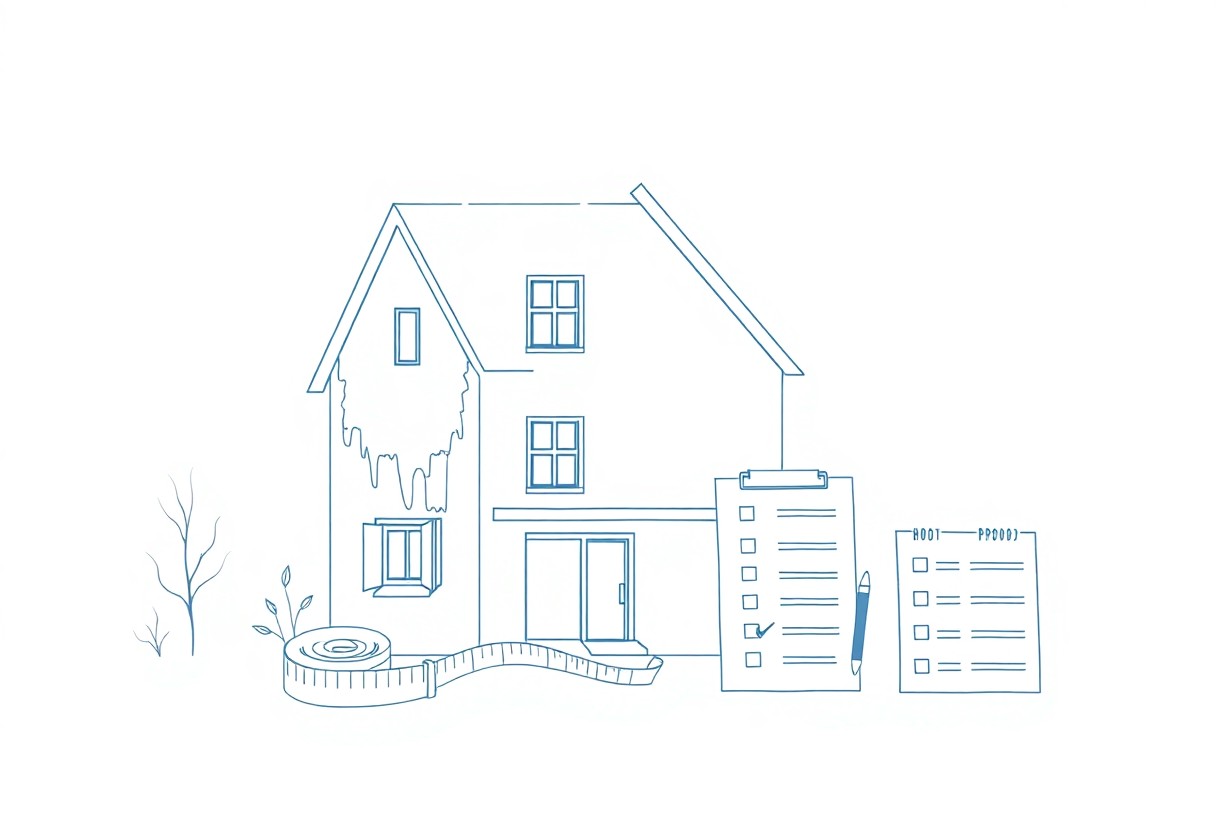
Inspection is the first step toward assessing the severity of water damage. Begin with a thorough visual examination of the affected areas. Look for clear signs of moisture, such as stains, discoloration, or bubbling paint on walls. In places where carpets or flooring has been affected, check for any mold or mildew growth. Pay special attention to corners, crawl spaces, and areas surrounding windows and doors, as these usually exhibit early signs of water intrusion.
- Examine ceilings for signs of sagging or water spots.
- Check windows for moisture between panes or condensation build-up.
- Look behind appliances, such as washing machines, refrigerators, and dishwashers, for leaks.
- Inspect baseboards, especially in areas where water has pooled.
- Identify any musty smells that indicate mold growth.
Knowing how to conduct a thorough visual inspection allows you to capture the immediate signs of damage that could lead to more significant issues if not addressed promptly.
Tools for Assessment
While visual inspections are a great starting point, relying solely on your eyes may not provide a complete picture of the damage. To effectively assess the lasting impact of water exposure, you will want to utilize specific tools designed for this purpose. Moisture meters, for instance, help quantify the moisture content within walls and other materials, enabling you to identify hidden damp areas that might not be visible.
To further your assessment, consider employing infrared cameras to detect temperature variations that indicate moisture retention behind surfaces. A hygrometer can also be valuable for measuring humidity levels in the air, helping you determine your environment’s overall dryness. This combination of tools will allow you to gather comprehensive evidence about the extent of the water damage, letting you make informed decisions about your repair options.
In addition to moisture meters and infrared cameras, you may also find it beneficial to have a set of basic tools on hand, such as a flashlight for inspecting dark areas, a screwdriver to remove any damaged panels, or even a camera for documenting the damage for insurance purposes. By taking a thorough approach to your assessment with both visual inspections and the right tools, you will be better equipped to gauge whether the water damage is permanent and outline your next steps effectively.
After taking stock of both visual and tool-assisted assessments, you should have a clearer picture of the damage’s severity. It’s vital to compile all your findings, as this will help you decide whether to tackle the repairs yourself, seek professional assistance, or contact your insurance company. If the damage is extensive, enlisting the help of experts may save you time and money in the long run, preventing potential health hazards and structural issues that could arise from untreated water damage.
As you continue this critical assessment process, focus not only on the areas that are physically damaged but also on the potential for future problems if the current issues are left unresolved. Water can cause significant hidden damage, including structural compromise and mold growth that can affect your health. Your proactive approach to assessing the severity of water damage will be an invaluable aspect of protecting your property and ensuring a safe environment.
Factors Influencing Permanence of Water Damage
Not all water damage is created equal, and understanding the factors that influence its permanence can guide you in making informed decisions about your property. Several key considerations come into play when assessing how long-lasting the effects of water damage may be. Take a moment to evaluate the following factors:
- Duration of Exposure
- Type of Materials Affected
- The Source of Water
- Environmental Conditions
- Time Taken for Cleanup
- Type of Repair Work Done
Any of these aspects can significantly influence the long-term effects of water damage on your home or business. For additional insights into determining whether your water damage is permanent, you can read more in this article on Is Your Water Damage Permanent? Learn How to Tell.
Duration of Exposure
Some of the most pivotal factors in determining whether water damage is permanent relate to how long water was allowed to saturate the affected areas. Immediate response to water damage is critical; the longer the exposure, the higher the likelihood that materials will be irreparably affected. For instance, if your property was flooded for just a couple of hours, you might be dealing with surface-level damage that can often be repaired. However, if the water has seeped in for days or weeks, it may lead to mold growth, structural issues, and other long-term problems that require extensive renovation.
In addition to the timeframe, the type of water involved also plays a role. Clean water from a burst pipe is less likely to cause permanent damage compared to gray or black water from sewage backups or floodwaters, which can contain harmful bacteria and accelerate deterioration. Swift action can mitigate permanent damage, so it’s important to get in touch with restoration professionals immediately after detecting any leaks or flooding.
Conclusion
Considering all points, it’s necessary to approach the assessment of water damage in a systematic manner to ensure you accurately determine whether the damage is permanent. By thoroughly inspecting affected areas, looking for signs of mold growth, structural integrity, and lingering dampness, you can gain a clearer understanding of the situation. This will aid you in identifying how far the damage has progressed and whether remediation can effectively restore your space. Should you find signs of permanent damage, consulting with professionals is vital to guide your next steps, such as repairs or replacements, while ensuring that your property remains safe and healthy.
After completing your assessment, you’ll want to develop a clear plan of action. This may involve identifying key repairs needed and liaising with contractors experienced in water damage restoration. It’s also wise to document your findings and share this information with your insurance provider to discuss potential coverage options for the necessary repairs. Ultimately, whether the water damage is temporary or permanent, proactive measures and informed decisions will empower you to mitigate further risk and protect your investment, ensuring your home or business remains safe for you and others.