It’s imperative to understand that filing a water damage claim can be a complex process, and there are several reasons why your claim might be denied. If you’re facing this situation, knowing the common pitfalls can help you avoid them in the future. This article discusses the typical reasons for claim denial and what steps you can take to ensure your claim is more likely to be approved.
 One common reason for claim denial is failure to pay premiums. Insurance policies require regular premium payments to maintain coverage. If you have missed payments or failed to keep up with your insurance policy, your coverage may be void, leading to a denied claim. To fix this issue, ensure you keep track of your payment schedule and maintain your premiums to keep your coverage active.
Another frequent cause of denial is inadequate documentation of damage. When water damage occurs, it’s imperative to document everything thoroughly. This includes taking photographs of the affected areas, keeping receipts for repairs, and providing any relevant witness statements. If you don’t provide sufficient evidence when you file your claim, it may result in denial. Always keep detailed records to support your case for future claims.
Your insurance policy may also contain specific sections outlining what types of damage are covered. For instance, if your damage results from a flood but your policy does not cover flood-related incidents, your claim could be denied. To avoid this situation, carefully review your policy and consider additional coverage options, such as flood insurance, if your area is prone to such conditions.
It is also imperative to act quickly after water damage occurs. If you wait too long to file your claim, your insurance provider may assert that your delay allowed further damage to occur. In such cases, they may deny your claim based on the argument that you did not take necessary steps to mitigate the damage. Always contact your insurer promptly and follow their guidelines to avoid delays.
Sometimes, claims can be denied due to pre-existing damage. If your insurer discovers that the damage existed before your policy coverage started or prior to the water incident, they may deny your claim. To prevent this, consider having a professional inspection done on your property to identify and address any underlying issues before they escalate into serious problems.
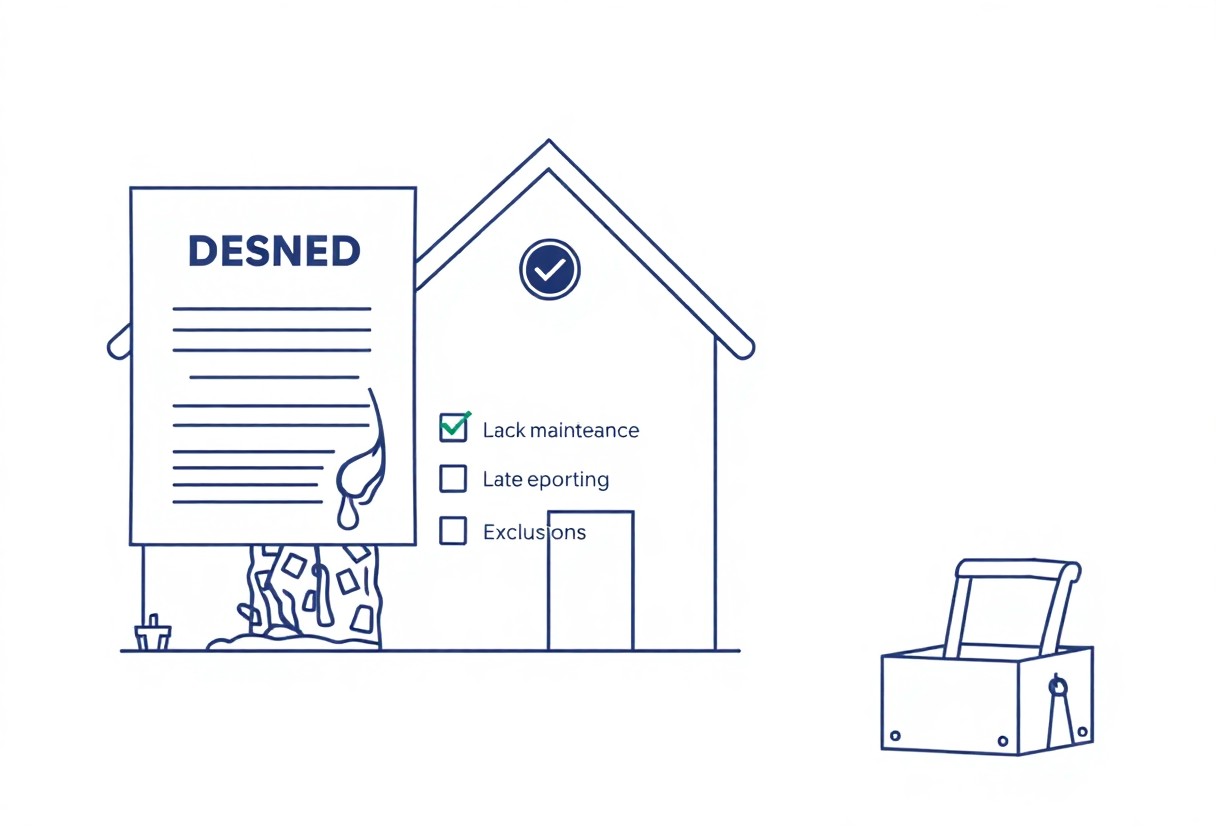
If your water damage is a result of a lack of maintenance, your claim could also be denied. Insurers expect homeowners to maintain their properties regularly. If the damage is linked to negligent maintenance, you could be held responsible. Regularly inspect your plumbing, roofs, and basements to stay ahead of potential problems.
All things considered, understanding why a water damage claim might be denied is key to successfully navigating the insurance process. By ensuring timely premium payments, adequately documenting damage, reviewing your policy for coverage gaps, acting promptly, maintaining your property, and regularly assessing for pre-existing damage, you can significantly increase your chances of a successful claim. Keeping these tips in mind will help you be prepared to handle any future incidents of water damage efficiently. Learn more restoration tips and resources.