
This guide will help you tackle the common issue of water accumulation in your basement effectively and safely. When facing this problem, you’ll want to assess the situation quickly to avoid potential mold growth and structural damage. We’ll walk you through the best tools and techniques to dry out your space while keeping your safety as a top priority. With these simple steps, you can turn your soggy storage area back into a functional and inviting part of your home.
Key Takeaways:
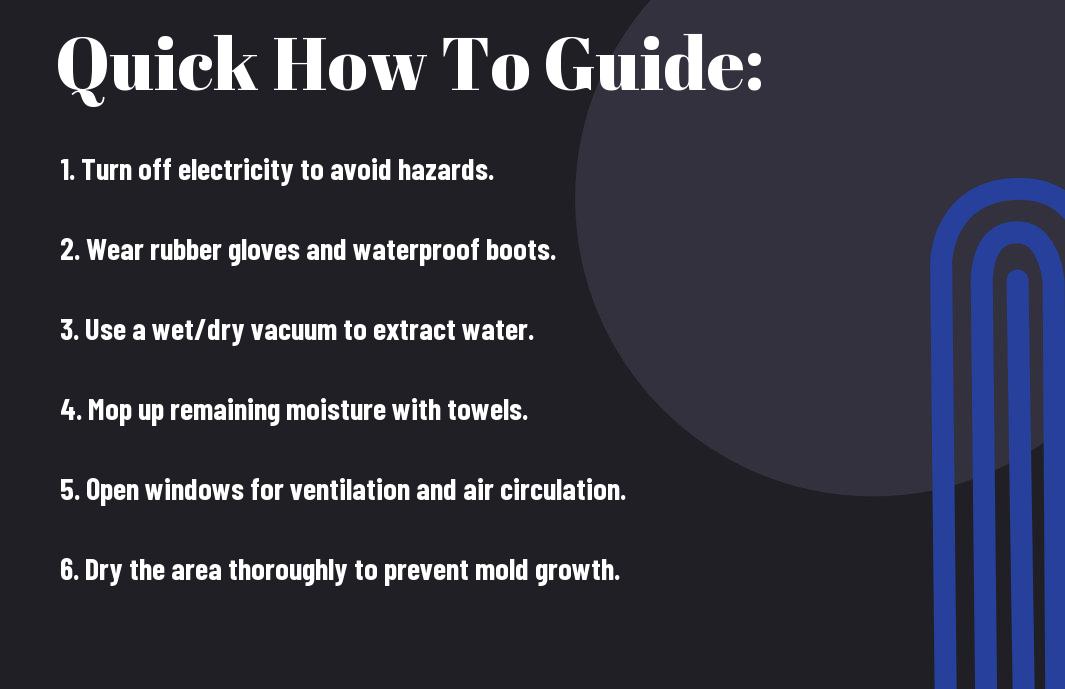
- Safety: Before starting the removal process, ensure that the area is safe to enter. Disconnect electricity in the basement to avoid hazards.
- Absorbent Materials: Use proper absorbent materials such as towels, mops, or sponge products to help soak up the excess water effectively.
- Dehumidification: After soaking up water, utilize fans and dehumidifiers to eliminate moisture from the air and prevent mold growth.
How to Identify Water Accumulation
A keen eye can help you spot water accumulation before it becomes a bigger issue. Look for visible signs like damp spots on walls or floors, musty odors, or even pools of water in your basement. If you notice any of these indicators, it’s crucial to investigate further to protect your space and belongings.
Recognizing the Signs
With several signs of water accumulation to consider, you might notice peeling paint, mold growth, or even changes in your flooring materials. Pay attention to any excessive moisture or water stains that could indicate a buildup of water, as these can be early warnings of potential flooding.
Assessing the Severity
Little water issues can quickly escalate if left unaddressed. Start by checking how extensive the water damage is and where it originates. Be sure to evaluate whether the accumulation is recent or a result of ongoing problems over time.
Understanding the extent of the water accumulation in your basement is vital for determining the right course of action. Inspect areas thoroughly to gauge whether the water accumulation is limited to a small patch or if it has spread across larger sections of your space. Additionally, look out for any signs of structural damage or mold growth, as these can pose serious health risks. Once you have a clear assessment, you’ll be equipped to take the necessary steps to safely mitigate the water issues.
How to Choose the Right Tools
You want to ensure you have the appropriate tools on hand before tackling water removal in your basement. Start by assessing the level of water damage and the size of the area to determine which tools will be most effective. Investing in quality equipment can save you time and effort, while also improving your chances of a thorough and efficient cleanup.
Essential Equipment for Water Removal
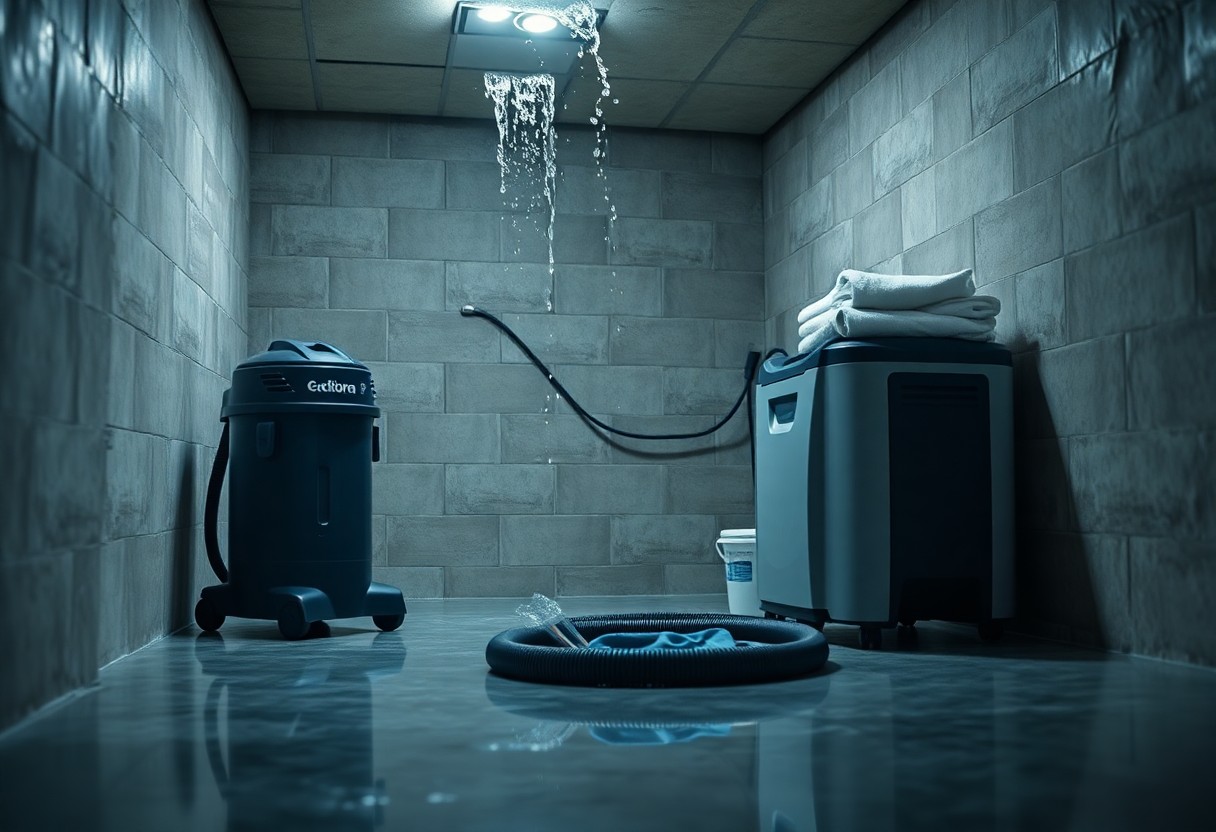
Assuming you have a significant amount of standing water, you’ll need to gather crucial equipment like submersible pumps, wet/dry vacuums, and large towels or mops. These tools will help you manage and remove water safely and effectively, making your cleanup process much smoother.
Recommended Safety Gear
One of the most important aspects of water removal is protecting yourself. Before submerging into the job, be sure to wear safety goggles, gloves, and sturdy waterproof boots to shield your body from potential hazards lurking in the water.
Understanding the risks associated with flooded areas is vital for your safety; as water can harbor dangerous contaminants like bacteria and mold. Wearing waterproof gloves and sturdy boots will protect your skin and prevent slips, while safety goggles keep your eyes safe from debris. Being prepared with the right safety gear not only enhances your personal protection, but it also allows you to work with more confidence and focus on restoring your space.
How to Safely Remove Water
All water removal tasks require careful planning to ensure your safety and the integrity of your home. Begin by assessing the situation, and consider using additional resources if you need guidance. For tips on how to stop water from seeping in through the floor of my basement, exploring expert advice can help you understand long-term solutions.
Using a Sump Pump
There’s a practical solution to tackle excess water in your basement—using a sump pump. This device works by automatically removing accumulated water and directing it away from your home. Ensure that your pump is properly installed and tested periodically to maximize its efficiency during emergencies!
Manual Water Removal Techniques
Safely extracting water manually can be effective, especially in smaller amounts. Start with a wet/dry vacuum, ensuring you keep electrical cords dry to prevent shocks. As you work, utilize mops and towels to absorb what the vacuum cannot pick up.
The effectiveness of manual water removal techniques can vary depending on the water level in your basement. Always prioritize your safety by wearing protective gear, including waterproof boots and gloves. If you notice any signs of lingering moisture, be aware that mold can develop quickly, so act promptly. Your health is important, so it’s vital to ensure thorough drying afterward to prevent further issues!
How to Dry Out Your Basement
After tackling the immediate water problem, it’s necessary to ensure your basement dries out properly to prevent mold and future issues. Start by assessing the level of moisture and use appropriate tools to remove standing water. Move any damp items out of the space, and focus on drying out the air and surfaces. You can both walk away from this experience and maintain a dry basement.
Ventilation Tips
Clearly, good ventilation is a key aspect of drying out your basement effectively. Ensure fresh air circulates by:
- Opening windows when weather permits
- Using fans to create airflow
- Installing vents for cross-ventilation
Assume that these measures will significantly reduce humidity levels and speed up the drying process.
Dehumidifying Strategies
Your next step should include incorporating dehumidifying strategies. Using a dehumidifier is a great way to control moisture retention in your basement.
Another effective strategy to manage humidity levels is to use multiple dehumidifiers to target different areas. This not only helps to pull excess moisture from the air, but it also wards off potential mold growth. Make sure to regularly empty the water reservoir and consider models with built-in pumps for continuous operation. Keep an eye on relative humidity levels using a hygrometer, and adjust your dehumidifiers accordingly. Embracing these strategies will help you maintain a comfortable, dry, and safe environment in your basement, ensuring it remains a functional part of your home.
Tips for Preventing Future Water Issues
Unlike temporary fixes, long-term solutions can save you from recurring problems. Here are some tips to consider for preventing future water issues in your basement:
- Ensure proper drainage around your home.
- Install sump pumps to redirect water effectively.
- Inspect and clean gutters and downspouts regularly.
- Avoid planting trees too close to your foundation to prevent root damage.
Thou can find more insights about What is the fastest most efficient way to remove water from ….
Regular Maintenance Checks
Some home maintenance tasks can significantly reduce your risk of water damage. Regularly check your roof, siding, and foundation for signs of wear or any potential leaks. Sealing cracks around windows and doors can also prevent water from seeping into your basement. By staying proactive, you’ll ensure a dry and safe environment.
Landscaping Considerations
Now, addressing your landscaping can play a key role in preventing basement water issues. Proper grading away from your home will help direct water flow and prevent pooling around your foundation. Additionally, incorporating drainage solutions, such as swales or rain gardens, can be effective in managing runoff.
The right landscaping practices can significantly contribute to maintaining dry interiors. Improper grading or water channels can increase the risk of flooding in your basement, causing immense damage and costly repairs. By creating a slight slope away from your foundation, you’ll effectively manage water runoff. Ensuring that vegetation does not accumulate against your home’s walls will also help. In essence, thoughtful landscaping not only enhances your home’s aesthetic but is a proactive measure to safeguard against excess moisture.
Factors to Consider Before DIY
Many homeowners consider DIY projects to tackle water issues in their basements. Before jumping in, evaluate the following factors:
- Your level of experience with water damage restoration
- The severity of the water problem
- Available tools and equipment
- Potential risks to your health and safety
Any decision should be made cautiously, as improper handling can lead to more significant issues.
Understanding Property Risks
Consider potential risks associated with flooding in your property, such as mold growth, structural damage, and electrical hazards. Understanding these risks helps you gauge the extent of the problem and decide the best course of action for your safety and your home.
When to Call in a Professional
Professional assistance may be necessary when dealing with severe water damage or complicated situations. If you notice extensive flooding, have water that is contaminated, or cannot identify the source of the water, calling in an expert is wise. They possess the right tools and expertise to handle hazardous conditions safely.
The best choice is to seek help when your basement flooding is extensive or poses a risk to you and your property. Professional water damage restoration experts not only have the necessary equipment but also the experience to manage mold and other health hazards. Engaging a professional can save you time and stress, ensuring that your property returns to a safe state efficiently.
Final Words
As a reminder, ensuring your basement stays dry is all about acting promptly and safely. Always assess the situation before you start, using mops, towels, or a wet/dry vacuum to soak up water. Protect yourself with the right gear, and if needed, enlist the help of professionals for larger issues. Regular maintenance and checking for leaks can help you avoid future water problems. With these tips, you can tackle any moisture issues and keep your basement a safe and dry space!
Q: What are the first steps I should take when I discover water in my basement?
A: Upon discovering water in your basement, it’s important to prioritize safety. First, turn off the electricity in the affected area to prevent any electrical hazards. If the water is significant, avoid wading into it, as there may be hidden dangers or structural issues. Next, assess the source of the water intrusion. If it’s a plumbing issue, shut off the main water supply if safe to do so. collect important items and document damages for insurance purposes before proceeding with cleanup.
Q: How can I effectively remove water from my basement?
A: To remove water safely, start with manual removal methods if possible. Using a wet/dry vacuum is an effective option for smaller amounts of water. For larger volumes, you may need a sump pump or a water transfer pump. Ensure that you’re wearing appropriate protective gear, such as gloves and boots. If the situation is beyond your control, consider contacting professionals specializing in water damage restoration who have the right equipment and expertise to handle the situation properly.
Q: What steps can I take to prevent mold and further damage after water removal?
A: After removing water, it’s important to dry the area thoroughly to prevent mold growth. Use fans, dehumidifiers, and open windows to enhance air circulation. Remove any wet materials like carpets, insulation, or drywall that are beyond saving, as they can harbor mold. Apply antifungal treatments where necessary, and monitor humidity levels. Regularly check for signs of mold growth in the weeks following the incident, and take action immediately if you find any suspicious spots.