In the wake of a severe flood, the community of Powderhorn, Minneapolis, faced significant challenges in restoring their homes and businesses. Water Damage Pro, a leading restoration company, played a crucial role in the flood recovery efforts. This article delves into the various aspects of the recovery process, highlighting the contributions of Water Damage Pro and the collective efforts of the community.
Key Takeaways
- Water Damage Pro provided immediate emergency response to mitigate further damage.
- Advanced equipment and techniques were employed to ensure thorough restoration.
- Collaboration with local authorities and insurance companies was essential for a streamlined recovery process.
- Community involvement and support were vital in overcoming the challenges faced during the flood recovery.
- Long-term strategies and technological innovations are crucial for future preparedness.
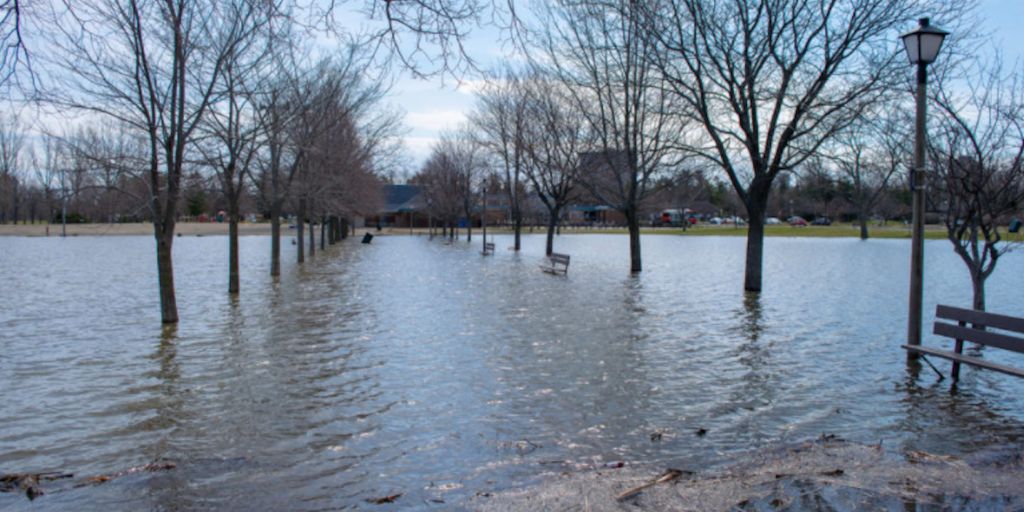
Overview of Flood Recovery Efforts in Powderhorn, Minneapolis
Initial Assessment and Damage Evaluation
The initial assessment and damage evaluation phase is critical in understanding the extent of the flood’s impact on Powderhorn, Minneapolis. Highly trained professionals use specialized equipment to conduct thorough inspections, ensuring that all affected areas are identified. This step is essential for developing a comprehensive recovery plan.
Coordination with Local Authorities
Coordination with local authorities is a cornerstone of effective flood recovery. This involves working closely with city officials, emergency services, and other relevant agencies to streamline efforts and resources. Such collaboration ensures that recovery operations are conducted efficiently and that all necessary permits and approvals are obtained in a timely manner.
Community Involvement and Support
Community involvement and support play a vital role in the recovery process. Local residents and businesses often come together to provide assistance, whether through volunteer efforts or donations. This collective action not only accelerates recovery but also fosters a sense of unity and resilience within the community.
The collaborative efforts between professionals, local authorities, and the community are pivotal in restoring Powderhorn to its pre-flood condition.
Water Damage Pro’s Role in the Restoration Process
Emergency Response and Immediate Actions
Water Damage Pro’s restoration service begins with a swift emergency response. The initial step involves immediate contact and rapid deployment of a specialized team to the affected site. This team conducts a thorough inspection and damage assessment to understand the extent of the water damage. Following this, they implement water mitigation strategies to prevent further damage, including water removal and extraction.
Use of Advanced Equipment and Techniques
In the water damage cleanup project, Water Damage Pro utilizes state-of-the-art equipment and advanced techniques. This includes high-capacity water extractors, industrial-grade dehumidifiers, and moisture detection tools. The drying and dehumidification process is meticulously carried out to ensure that even hard-to-reach areas such as walls, floors, and ceiling cavities are thoroughly dried.
Collaboration with Insurance Companies
Water Damage Pro also plays a crucial role in collaborating with insurance companies throughout the water damage repair process. They assist property owners in documenting the damage and provide detailed reports required for insurance claims. This collaboration ensures a smoother and more efficient restoration process, helping clients navigate the complexities of insurance procedures.
Challenges Faced During the Flood Recovery
Extent of Water Damage
The extent of water damage in Powderhorn, Minneapolis, was significant, affecting both residential and commercial properties. Many buildings experienced structural damage, including weakened foundations and compromised electrical systems. The pervasive nature of the floodwaters meant that even hard-to-reach areas, such as wall cavities and subfloors, were saturated, necessitating comprehensive drying and restoration efforts.
Logistical and Operational Hurdles
Coordinating the flood recovery efforts posed several logistical and operational challenges. The scarcity of resources, including specialized drying equipment and skilled labor, hindered the speed of the recovery process. Additionally, navigating the damaged infrastructure, such as flooded roads and disrupted utilities, further complicated the logistics of deploying restoration teams and equipment.
Weather-Related Complications
Weather-related complications added another layer of difficulty to the flood recovery efforts. Unpredictable weather patterns, including additional rainfall, hampered the drying process and increased the risk of further water damage. The fluctuating weather conditions also posed safety risks for the recovery teams, necessitating constant monitoring and adjustments to the recovery strategy.
The challenges faced during the flood recovery in Powderhorn, Minneapolis, underscore the need for robust planning and resource allocation to effectively manage such disasters.
Impact on Residential and Commercial Properties
Case Studies of Affected Homes
The flood in Powderhorn, Minneapolis, had a profound impact on residential properties. Many homes experienced extensive water damage, leading to structural issues and the loss of personal belongings. The recovery process involved several steps:
- Initial assessment and damage documentation
- Water extraction and drying
- Mold remediation
- Structural repairs and restoration
Business Disruptions and Economic Consequences
Commercial properties were not spared from the flood’s devastation. Businesses faced significant disruptions, resulting in lost revenue and productivity. The economic consequences were far-reaching, affecting not only the business owners but also their employees and the local economy. Key challenges included:
- Immediate cessation of business operations
- Damage to inventory and equipment
- Long-term closure for repairs
Long-term Effects on Property Values
The long-term effects of the flood on property values in Powderhorn are still being assessed. However, it is anticipated that properties in flood-prone areas may see a decline in value. Factors influencing this include:
- Increased insurance premiums
- Potential for future flooding
- Stigma associated with flood-damaged properties
The flood has underscored the need for improved infrastructure and better preparedness to mitigate future risks.
Environmental and Health Considerations
Mold and Mildew Prevention
Mold and mildew are significant concerns in flood recovery due to their potential health risks. Prolonged exposure to mold can lead to allergic reactions and respiratory issues. Effective mold prevention involves thorough drying of affected areas, including walls, air ducts, and HVAC systems. For people working in water-damaged buildings, these measures are crucial to mitigate serious health concerns.
Water Contamination Issues
Floodwaters often carry contaminants that pose threats to both the environment and human health. Addressing water contamination involves multiple steps:
- Initial Assessment: Identifying the types and levels of contaminants present.
- Water Extraction: Removing standing water to prevent further contamination.
- Disinfection: Using appropriate chemicals to eliminate bacteria and diseases.
- Monitoring: Regularly checking water quality to ensure safety.
Air Quality Monitoring and Improvement
Flood recovery efforts must also focus on air quality. Poor air quality can exacerbate health issues, particularly for vulnerable populations. Air quality monitoring involves the use of advanced sensors to detect pollutants. Improvement strategies include:
- Ventilation: Enhancing airflow to reduce indoor pollutants.
- Filtration: Using HEPA filters to capture airborne particles.
- Dehumidification: Reducing moisture levels to prevent mold growth.
Restoration success: a water damage pro case study in Minneapolis, MN. addressed environmental concerns, utilized advanced restoration techniques, and completed project efficiently with client satisfaction.
Lessons Learned and Future Preparedness
Improving Flood Response Strategies
The recent flood recovery efforts in Powderhorn, Minneapolis, have highlighted the need for enhanced flood response strategies. Key lessons include the importance of rapid initial assessments and the deployment of advanced equipment to mitigate damage effectively. Future strategies should focus on integrating technology and improving coordination among various stakeholders.
Community Education and Awareness
Community involvement has proven to be a cornerstone of successful flood recovery. Educational programs aimed at increasing awareness about flood risks and preparedness can significantly reduce the impact of future floods. Initiatives such as community workshops and informational campaigns are essential.
Policy Recommendations for Better Resilience
To build a more resilient community, policy recommendations must be put forward. These include stricter building codes, improved infrastructure, and better resource allocation for emergency response. Policymakers should consider these recommendations to ensure long-term resilience against flooding.
The transition from flooded to fabulous requires a comprehensive approach that includes community education, policy changes, and technological advancements.
Technological Innovations in Flood Recovery
Role of Drones and Remote Sensing
Drones and remote sensing technologies have revolutionized flood recovery efforts. These tools provide rapid and accurate assessments of affected areas, enabling quicker response times. Drones equipped with high-resolution cameras and sensors can capture detailed images and data, which are crucial for evaluating the extent of damage and planning restoration activities. Additionally, remote sensing technologies help in monitoring water levels and predicting potential flood risks, thereby enhancing preparedness and mitigation strategies.
Advancements in Water Extraction Methods
Recent advancements in water extraction methods have significantly improved the efficiency of flood recovery operations. Modern equipment, such as high-capacity pumps and specialized vacuums, allows for faster removal of standing water. Moreover, innovative moisture detection techniques ensure thorough drying of affected areas, including hard-to-reach spaces like walls, floors, and ceiling cavities. These advancements not only expedite the recovery process but also minimize the risk of mold and mildew growth.
Data Analytics for Damage Assessment
Data analytics plays a pivotal role in assessing flood damage and formulating effective recovery plans. By analyzing data collected from various sources, including drones, remote sensors, and on-ground inspections, experts can identify patterns and prioritize areas that require immediate attention. Data-driven insights enable more accurate damage evaluations and resource allocation, ensuring a more efficient and targeted response. Furthermore, predictive analytics can help in forecasting future flood events and developing proactive measures to mitigate their impact.
The integration of advanced technologies in flood recovery not only enhances the efficiency of restoration efforts but also contributes to building more resilient communities. By leveraging these innovations, we can better prepare for and respond to future flood events, ultimately reducing their devastating effects.
Conclusion
In conclusion, the flood recovery efforts in Powderhorn, Minneapolis, exemplify the critical importance of timely and professional intervention in mitigating water damage. The comprehensive services provided by Water Damage Pro underscore the necessity of specialized equipment and advanced training in restoring properties to their pre-flood conditions. This case study highlights not only the resilience of the Powderhorn community but also the effectiveness of coordinated disaster response strategies. As climate change continues to increase the frequency and severity of flooding events, the lessons learned from this project will be invaluable for future mitigation and recovery efforts.
Frequently Asked Questions
What is the first step in flood recovery?
The first step in flood recovery is conducting an initial assessment and damage evaluation to understand the extent of the damage and determine the necessary actions.
How does Water Damage Pro respond to flood emergencies?
Water Damage Pro responds to flood emergencies with immediate actions, using advanced equipment and techniques to mitigate damage and begin the restoration process.
How does community involvement support flood recovery efforts?
Community involvement is crucial as it provides local support, resources, and volunteers that can assist in various recovery tasks, fostering a quicker and more efficient restoration process.
What challenges are commonly faced during flood recovery?
Common challenges include the extent of water damage, logistical and operational hurdles, and weather-related complications that can impede the recovery process.
What are the long-term effects of flooding on property values?
Flooding can lead to long-term effects on property values, often resulting in decreased market value due to potential structural issues, mold, and other long-lasting damages.
How can future flood preparedness be improved?
Future flood preparedness can be improved by enhancing flood response strategies, increasing community education and awareness, and implementing policy recommendations for better resilience.